Showing posts with label Self Improvement. Show all posts

Weekly Motivation Checkup

It is very important to keep our motivation and to make changes or at least keep changes in our life that are good while at the same time pushing out bad habits. The problem that we sometimes run into though is complacency. The Danger of Complacency Complacency always rears its head at the same time […]

The post Weekly Motivation Checkup appeared first on Fitness Tips for Life.

https://ift.tt/2oTWspE

7 Steps To Bring You Closer To Happiness

Do you know why it is important to bring you closer to happiness? To make you a better person, or to make you a happier person? Hopefully, it’s both.

One of the most important things to realize when you are on a quest for self development is that happiness is not something that other people bring you like a birthday gift. Happiness comes from what you yourself do. It comes from acting in line with your own ethical values in a way that brings you closer to your personal goals.

Here Are 7 Steps To Bring You Closer To Happiness

1. Know Your Purpose

Are you wandering through life with little direction – hoping that you’ll find happiness, health and prosperity?

Identify your life purpose or mission statement and you will have your own unique compass that will lead you to your truth north every time.

This may seem tricky at first when you see yourself to be in a tight corner or facing a dead end. But identifying your purpose will help you to find the way out, even when it seems there isn’t one.

7 Steps To Bring You Closer To Happiness

2. Know Your Values

What do you value most? Make a list of your top 5 values. Some examples are security, freedom, family, spiritual development, learning.

As you set your goals for the year, check your goals against your values.

If a goal doesn’t align with any of your top five values, you may want to reconsider it or revise it.

7 Steps To Bring You Closer To Happiness

3. Know Your Needs

Unmet needs can keep you from living authentically. Take care of yourself. Do you have a need to be acknowledged, to be heard, to be fed, to be loved in some way that is not being met right now?

There are so many people who live their lives without realizing their dreams and most of them end up being stressed or even depressed.

List your top five needs and be creative in thinking of ways you could have them be met. It’s never too late!

4. Know Your Passions

You know who you are and what you truly enjoy in life. Obstacles like doubt and lack of enthusiasm may hinder you, but need not prevent you from becoming the person you ought to be.

Express yourself and honor the people who have inspired you to become who you are.

7 Steps To Bring You Closer To Happiness

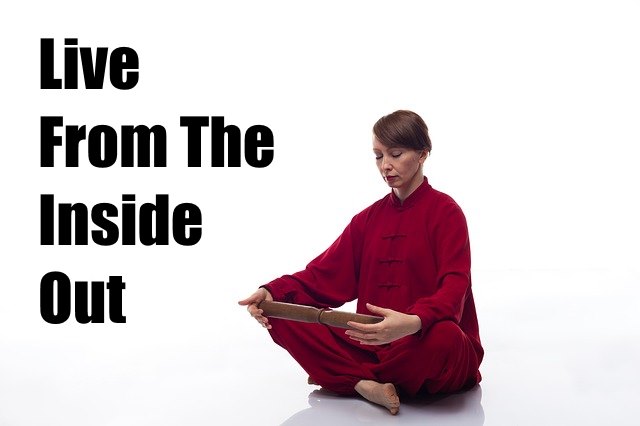
5. Live From The Inside Out

Increase your awareness of your inner wisdom by regularly reflecting in silence. Commune with nature. Breathe deeply to quiet your distracted mind. For most of us city slickers it’s hard to even find the peace and quiet we want even in our own home.

You may choose to meditate, to walk in a quiet place or to sit and listen to gentle music. Silence does not necessarily mean no sound at all, but requires a certain inner silence.

7 Steps To Bring You Closer To Happiness

6. Honor Your Strengths

What are your positive traits? What special talents do you have? List five of them – if you get stuck, ask those closest to you to help. Are you imaginative, witty, good with your hands?

Find ways to express your authentic self through your strengths. You can increase your self-confidence when you recognize your skills and use them to teach or share with others.

7 Steps To Bring You Closer To Happiness

7. Serve Others

When you live authentically, you may find that you develop a sense of being connected with all forms of life. When you are true to who you are, living your purpose and giving of your talents to the world around you, you are expressing your spirit, your essence.

At the same time, you are able to connect with the essential good in others. At this point, serving others is no longer a chore.

We cannot change others. We can only ever change ourselves to live more peacefully and happily in the circumstances of our lives. That is why self development has such huge rewards both for ourselves and those around us. I hope these steps bring you closer to happiness

The post 7 Steps To Bring You Closer To Happiness appeared first on Fitness Tips for Life.

http://bit.ly/2XATBhl

What Innovation Can Do For Your Life

It’s a talent that everyone has, yet they think they don’t: the power of innovation. If you’ve ever marvelled at somebody’s creative prowess, guess what, you can create and innovate too.

It just takes time.

Everyone is born creative. The box of crayons in kindergarten were not limited to those who possessed potential; because the truth is, everybody has potential.

You know how long it took to learn to ride a bike or drive or to never commit the same mistake again? A while, right? It’s the same with innovation. It takes a bit of practice and a lot of time before this mind function comes easily when called. This article will teach you a few tips on how to bring innovation into your life.

How to Inspire Innovation Into Your Life

What Innovation Can Do For Your Life

1. Don’t listen to what other people say about how to live your life. Follow the beat of your own drum. Allowing for the input of other people will only bring cacophony to the music you are trying to make.

If you have an original idea, don’t waste your time and effort trying to make people understand. They won’t. And the ‘help’ you will probably get comes in the form of negative feedback. If all the geniuses of the past had listened to their peers, we would probably still be living in the middle ages.

2. Spend time on it. I cannot stress that enough, although, please do not think I mean you should quit your day job. I do not. This involves some tricky time management but with a little discipline you’ll be able to squeeze both in.

3. Exercise. Take a walk. Run a mile or two. Send all those endorphins coursing through your veins. Exercising certainly clears and relaxes your mind and allows for anything to pop up.

4. Record your dreams. Aren’t some of them just the craziest things that your conscious mind would never have thought of? If you’ve had this kind of dream, and I’m sure you have, this just shows you the untapped innovative power you have lying within.

So jot down those notes. Those dreams may create an innovative spark in you.

5. Find your own style. You can always tell a Van Gogh from a Matisse. You’ll know Hemingway wrote something by the choice of words on the paper. So it is the same with you.

People will appreciate your innovation more because it is uniquely yours and that no one else would have thought of what you were thinking. That will let people see how valuable an asset you are.

6. Don’t hide behind nifty gadgets or tools. You don’t need the most expensive set of paints to produce a masterpiece. The same way with writing. You don’t need some expensive fountain pen and really smooth paper for a bestseller.

So what if you’ve got an expensive SLR camera if you’re a crappy photographer? Who cares if you’ve got a blinging laptop if you can’t write at all? The artist actually reduces the number of tools he has as he gets better at his craft: he knows what works and what doesn’t.

7. Nothing will work without passion. What wakes you up in the mornings? What keeps the flame burning? What is the one thing that you’ll die if you don’t do? Sometimes people with talent are overtaken by the people who want it more.

Think the hare and the tortoise. Ellen Degeneres once said that if you’re not doing something that you want to do, then you don’t really want to do it. And that’s true. Sometimes you just want something so bad you become a virtual unstoppable. And that is passion. Passion will keep you going.

8. Don’t worry about inspiration. You can’t force it; inspiration hits when you least expect it to. For those unpredictable yet inevitable moments you should prepare by carrying a notebook and pen.

On the other hand, you will probably remember your most important ideas. J K Rowling had the idea for Harry Potter while stuck on a train that was delayed for four hours. She had no pen and didn’t start writing anything down until she reached her home. Yet the ideas survived.

I hope this article has helped you bring more innovation into your life. Keep in mind that you’re doing these things for your own satisfaction and not anybody else’s. But soon enough they will notice the changes in your life, and everything should snowball from there.

The post What Innovation Can Do For Your Life appeared first on Fitness Tips for Life.

http://bit.ly/2UDMYNI

How To Avoid Decisions To Improve Your Life

There are a few things that you can do to reduce stress in your life by simplifying your decisions and avoiding something called decision fatigue.

I never realized that I was doing a few of these things, but in looking at my life overall I know that a few of my habits can make a big difference in your life.

Decision fatigue is a state where we just get tired from making decisions. Actually often these decision that seem very simple are just made over and over and are actually cluttering up our mind.

Probably the most famous example of this is Mark Zuckerberg from Facebook. Apparently the Zuck wears the exact same clothes every day and just has a bunch of the same shirts in his closet so he never has to think of what to wear. I know that this may be odd but it seems to work for him.

There are some simple hacks that make things easier.

Building A Couple Weeks Breakfasts Once

How To Avoid Decisions To Improve Your LifeI have written before that breakfast is incredibly important for us for energy and health but the trouble for most people is that it is really hard to go ahead and make a really great and healthy breakfast each and every day.

What I have worked out is to make sure that I have the great breakfast I need every day.

I buy a big bulk bag of oatmeal, some sunflower seeds, pumpkin seeds, dried cranberries, and flaked unsweetened coconut.

I make a big ziplock bag with this mix and then every weekday for a couple or weeks I know that I have a really nutritious breakfast that I will actually eat and enjoy every morning without having to think about, plan for, or schedule time to eat.

Planning All Your Snacks and Dinners

Snacking is another part of my diet that I really have to regiment. Left to my own devices I am sure it would be reduced to chocolate bars and ice cream.

I have a regular daily set of food that I bring along with me every single weekday. I have two fruits, one veggie, leftovers from last night, one granola bar, and one chocolate bar – yes chocolate has to be part of a well balanced diet 😉

The thing that makes this easy is that our grocery shopping is very methodical.

I am not sure if you have heard this fact but the outside edges of the grocery store are the best and the inside is the worst.

The outside of the grocery store is of course filled with the dairy, vegetables, fruit, meats. All the whole foods, fridge, and perishables.

The inside of the grocery store aisles are all the processed foods that are best to stay away from.

So when we shop we try and stick mostly to the outside with a menus plan for dinners for the week as well as knowing what we are going to get for snacks, all the fruits and vegetables.

After shopping we will wash the fruits and vegetables, like this is part of the shopping experience, and cut up and package the veggies for the week.

How To Avoid Decisions To Improve Your Life

Prepping The Night Before

I don’t like to think early in the morning during the week so I always make sure that the night before that I have everything out for morning so I can just get ready, grab, and go.

I get all of my vitamins out, clothes, prep the coffee maker, and assemble my lunch in the fridge, the night before. I just take that little bit of time in the evening before bed to organize the day for tomorrow.

It works great for me and makes the morning very easy to get started.

I think of myself as a morning person but just by doing all that prepping means that I can just execute in the morning without much thought as to what has to be done.

How To Avoid Decisions To Improve Your Life

Does Prepping and Planning Work?

I know that lots of people, me included rail against plans and processes as these ideas just seem to get rid of the spontaneity in life, turning us into robots and losing that flash of fun.

Really though I think that by getting rid of these decisions I am actually just really getting more of a chance to stop myself from getting tired from making stupid easy decisions and leaves me instead to make those decision when it matters most.

Of course all of these processes fall by the wayside on the weekend but I think I may have to make a few as I am not getting as much out of my life on the weekends as I wish I was.

The post How To Avoid Decisions To Improve Your Life appeared first on Fitness Tips for Life.

https://ift.tt/2GZyT60

7 Steps To Bring You Closer To Happiness

Do you know why it is important to bring you closer to happiness? To make you a better person, or to make you a happier person? Hopefully, it’s both.

One of the most important things to realize when you are on a quest for self development is that happiness is not something that other people bring you like a birthday gift. Happiness comes from what you yourself do. It comes from acting in line with your own ethical values in a way that brings you closer to your personal goals.

Here Are 7 Steps To Bring You Closer To Happiness

1. Know Your Purpose

Are you wandering through life with little direction – hoping that you’ll find happiness, health and prosperity?

Identify your life purpose or mission statement and you will have your own unique compass that will lead you to your truth north every time.

This may seem tricky at first when you see yourself to be in a tight corner or facing a dead end. But identifying your purpose will help you to find the way out, even when it seems there isn’t one.

7 Steps To Bring You Closer To Happiness

2. Know Your Values

What do you value most? Make a list of your top 5 values. Some examples are security, freedom, family, spiritual development, learning.

As you set your goals for the year, check your goals against your values.

If a goal doesn’t align with any of your top five values, you may want to reconsider it or revise it.

7 Steps To Bring You Closer To Happiness

3. Know Your Needs

Unmet needs can keep you from living authentically. Take care of yourself. Do you have a need to be acknowledged, to be heard, to be fed, to be loved in some way that is not being met right now?

There are so many people who live their lives without realizing their dreams and most of them end up being stressed or even depressed.

List your top five needs and be creative in thinking of ways you could have them be met. It’s never too late!

4. Know Your Passions

You know who you are and what you truly enjoy in life. Obstacles like doubt and lack of enthusiasm may hinder you, but need not prevent you from becoming the person you ought to be.

Express yourself and honor the people who have inspired you to become who you are.

7 Steps To Bring You Closer To Happiness

5. Live From The Inside Out

Increase your awareness of your inner wisdom by regularly reflecting in silence. Commune with nature. Breathe deeply to quiet your distracted mind. For most of us city slickers it’s hard to even find the peace and quiet we want even in our own home.

You may choose to meditate, to walk in a quiet place or to sit and listen to gentle music. Silence does not necessarily mean no sound at all, but requires a certain inner silence.

7 Steps To Bring You Closer To Happiness

6. Honor Your Strengths

What are your positive traits? What special talents do you have? List five of them – if you get stuck, ask those closest to you to help. Are you imaginative, witty, good with your hands?

Find ways to express your authentic self through your strengths. You can increase your self-confidence when you recognize your skills and use them to teach or share with others.

7 Steps To Bring You Closer To Happiness

7. Serve Others

When you live authentically, you may find that you develop a sense of being connected with all forms of life. When you are true to who you are, living your purpose and giving of your talents to the world around you, you are expressing your spirit, your essence.

At the same time, you are able to connect with the essential good in others. At this point, serving others is no longer a chore.

We cannot change others. We can only ever change ourselves to live more peacefully and happily in the circumstances of our lives. That is why self development has such huge rewards both for ourselves and those around us. I hope these steps bring you closer to happiness

The post 7 Steps To Bring You Closer To Happiness appeared first on Fitness Tips for Life.

http://ift.tt/2BQETdY

Why Is Self Development Important?

Sometimes, when all our doubts, fears and insecurities overwhelm us, we start thinking, “I wish I was somebody else.” It is very common to think that some or most people are better than us, especially when we are feeling low. The truth is often very different.

You might see a very pretty girl sitting by herself at a party, casually sipping on a glass of Asti Spumanti. You think to yourself, “she looks so perfectly calm and confident.” But if you could read her mind, you might see a very different story.

She might be thinking, “Are people talking about why I am seated here alone? … Why don’t guys find me attractive? … I don’t like my ankles, they look too skinny … I wish I was as intelligent as my best friend.”

We look at a successful young business entrepreneur and say “Whoa … what else could he ask for?” He stares at himself at the mirror and says to himself, “I hate that I still have acne … I wonder why my friends won’t talk to me any more … I wish mom and dad could have worked things out.”

We Sometimes Fight Self Confidence

Isn’t it funny? We look at other people, envy them for what seems to us to be their perfect lives and wish we could trade places with them, while they look at us and think the same thing. We are insecure about other people who themselves are probably insecure about us.

We suffer from low self-esteem, lack of self-confidence and lose faith in self development because we are enveloped in quiet desperation.

Why Is Self Development Important?

So it can happen that we can spend all our time obsessing about what seem to us to be our negative points when they really don’t matter to anybody else. At the same time, we might have a seriously irritating habit that we are not even aware of.

I have a friend who never gets tired of talking. And in most conversations, she is the only one who seems to be interested in the things she has to say. So people tend to avoid our circle whenever she’s around. Not only is this a social handicap for her, but it also irritates anybody who is with her, that they cannot speak to anybody else while she is there.

One key to self improvement is to LISTEN and TALK to a trusted friend. Find someone who you are comfortable about opening up with on even the most sensitive topics you want to discuss. Ask questions in a way that makes it possible for the other person to tell you what is really happening.

You could say, “Do you think I would get along better if I were more polite to people?”, “Do I tend to sound argumentative?”, “Do I talk too loud?”

This signals to the other person that you are interested in self development. Usually, she will hesitate to tell the truth right away. She will probably say “No,” because she doesn’t want you to feel bad. If you just repeat that back to her as a question, “No?” she will probably expand on it and then you may begin to get at the truth.

Take Criticism From Friends Seriously, They Try To Help

Of course it’s important to accept any comments or criticisms that she makes. You may feel hurt but try not to show it or she will not want to tell you more. Then you may want to check out the results with other people, because that person may not be seeing you clearly either.

One of Whitney Houston’s songs says “Learning to love yourself is the greatest love of all.” True enough. In order to love others, you must love yourself too. Remember, you cannot give what you do not have.

Before telling other people how to improve themselves, let them see that you yourself are following the path of self development. Self improvement makes us better people, more open to the world around us. We then inspire other people, and eventually the rest of the world will follow.

It is vital to stop thinking of yourself as a second-rate being. Forget the repetitive thought of “If only I was richer … if only I was thinner” and so on. Accepting your true self is the first step to self improvement.

We need to stop comparing ourselves to others and accept that everybody is valuable for the different contributions that they make to the world.

We all have our insecurities. Nobody is perfect. We always wish we had better things, better features, better body parts, etc. But life need not to be perfect for people to be happy about themselves. Self development and loving yourself is not a matter of shouting to the whole world that you are perfect and you are the best. It’s the virtue of acceptance and contentment. When we begin to improve ourselves, we then begin to feel contented and happy.

The post Why Is Self Development Important? appeared first on Fitness Tips for Life.

http://ift.tt/2rN9HJk

Why Is Self Development Important?

Sometimes, when all our doubts, fears and insecurities overwhelm us, we start thinking, “I wish I was somebody else.” It is very common to think that some or most people are better than us, especially when we are feeling low. The truth is often very different.

You might see a very pretty girl sitting by herself at a party, casually sipping on a glass of Asti Spumanti. You think to yourself, “she looks so perfectly calm and confident.” But if you could read her mind, you might see a very different story.

She might be thinking, “Are people talking about why I am seated here alone? … Why don’t guys find me attractive? … I don’t like my ankles, they look too skinny … I wish I was as intelligent as my best friend.”

We look at a successful young business entrepreneur and say “Whoa … what else could he ask for?” He stares at himself at the mirror and says to himself, “I hate that I still have acne … I wonder why my friends won’t talk to me any more … I wish mom and dad could have worked things out.”

We Sometimes Fight Self Confidence

Isn’t it funny? We look at other people, envy them for what seems to us to be their perfect lives and wish we could trade places with them, while they look at us and think the same thing. We are insecure about other people who themselves are probably insecure about us.

We suffer from low self-esteem, lack of self-confidence and lose faith in self development because we are enveloped in quiet desperation.

Why Is Self Development Important?

So it can happen that we can spend all our time obsessing about what seem to us to be our negative points when they really don’t matter to anybody else. At the same time, we might have a seriously irritating habit that we are not even aware of.

I have a friend who never gets tired of talking. And in most conversations, she is the only one who seems to be interested in the things she has to say. So people tend to avoid our circle whenever she’s around. Not only is this a social handicap for her, but it also irritates anybody who is with her, that they cannot speak to anybody else while she is there.

One key to self improvement is to LISTEN and TALK to a trusted friend. Find someone who you are comfortable about opening up with on even the most sensitive topics you want to discuss. Ask questions in a way that makes it possible for the other person to tell you what is really happening.

You could say, “Do you think I would get along better if I were more polite to people?”, “Do I tend to sound argumentative?”, “Do I talk too loud?”

This signals to the other person that you are interested in self development. Usually, she will hesitate to tell the truth right away. She will probably say “No,” because she doesn’t want you to feel bad. If you just repeat that back to her as a question, “No?” she will probably expand on it and then you may begin to get at the truth.

Take Criticism From Friends Seriously, They Try To Help

Of course it’s important to accept any comments or criticisms that she makes. You may feel hurt but try not to show it or she will not want to tell you more. Then you may want to check out the results with other people, because that person may not be seeing you clearly either.

One of Whitney Houston’s songs says “Learning to love yourself is the greatest love of all.” True enough. In order to love others, you must love yourself too. Remember, you cannot give what you do not have.

Before telling other people how to improve themselves, let them see that you yourself are following the path of self development. Self improvement makes us better people, more open to the world around us. We then inspire other people, and eventually the rest of the world will follow.

It is vital to stop thinking of yourself as a second-rate being. Forget the repetitive thought of “If only I was richer … if only I was thinner” and so on. Accepting your true self is the first step to self improvement.

We need to stop comparing ourselves to others and accept that everybody is valuable for the different contributions that they make to the world.

We all have our insecurities. Nobody is perfect. We always wish we had better things, better features, better body parts, etc. But life need not to be perfect for people to be happy about themselves. Self development and loving yourself is not a matter of shouting to the whole world that you are perfect and you are the best. It’s the virtue of acceptance and contentment. When we begin to improve ourselves, we then begin to feel contented and happy.

The post Why Is Self Development Important? appeared first on Fitness Tips for Life.

http://ift.tt/2zi17E7

How To Figure Out How Many Calories You Consume Each Day

Although most people know that understanding how many calories we consume is essential to losing weight, it can be pretty hard to figure out what that number is (especially if you eat out a lot). Unfortunately, however, ignorance will not work. Many foods contain more calories than you’d expect. If you’re not keeping an eye on how many you eat every day, your loss efforts could be in vain.

So what can you do to ensure you get a good estimate of what you are consuming on a daily basis?

Sign Up To A Calorie Tracking Website

Calorie TrackingThere are a huge number of online calorie tracking services, as well as smartphone apps, that make it easy for you to register what you eat every day.

These websites and apps can easily be found with a simple search online, though note that some do come with a monthly fee.

I use nutritiondata.self.com as well as I know that My Fitness Pal is very popular

You may be wondering how exactly these sites work. Basically, they have a built in food database that already has the calorie count of most foods programmed into it.

Some were added by the program creators, others may have been added by normal users like you.

All you have to do is sign up for the site, go to the food tracking page, and enter the food you have eaten into the correct search bar. Be specific by entering the exact brand if you can.

Once you’ve done that, you can see entries in the food database that match your search, and you can select the closest match and add that your calorie count.

Track It Yourself (With Some Help!)

If you don’t have constant access to the internet, or prefer not to use these services, then another thing you can do is purchase a nutrition book that has a list of different foods and their calorie counts.

Use this book as a guide to keep a written food diary at home, where you manually count your calories by assigning the values provided in the purchased book for the corresponding foods to the food entries and adding up their total at the end of the day.

The great thing about this is that you can journal how you feel and track how eating different foods make you feel as far as concentration and energy, and even find food intolerances.

This way is more tedious, but for less tech-savvy people, this is enough to work.

There are also some digital kitchen scales available that will work out nutritional data for you. You’ll still need to enter a code based on the scale’s manual, but it’s far quicker than working it out yourself. These scales are very accurate and useful for people with specific health conditions, too.

How Do I Track Calories?

As you can imagine our house does a lot of checking of calories and Macronutrients like protein, carbohydrates, and fats in the foods that we eat.

We try to keep a pretty clean diet but of course our kids do like to have snacks so we have always portioned them out to them in a way that makes them know that they are a special food but at the same time they are able to decide what they would want.

As for calories themselves, we do not track calories at all but we really do make sure that we are not eating too much food. We use a lot of portion control when it comes to our meals, we know that we don’t need a huge plate of food to satisfy us and we do try to have a very varied diet with lots of fresh veggies (low in calories), and not as much starchy white carbs (always rice, potatoes, or pasta, just not a lot of them).

Tracking your calories is a wonderful way to tackle dieting, as it offers you a way to eat whatever you want in a balanced way, while teaching you portion control and nutritional estimation.

There’s no need to cut out any particular food out of your diet; just eat what you want but stay within the allocated number of calories for the day.

The post How To Figure Out How Many Calories You Consume Each Day appeared first on Fitness Tips for Life.

http://ift.tt/1w6V2zR

Best Practices for Weighing Yourself

If you’re trying to lose then the very best way to stay motivated to meet your goals is to track your progress. The weighing scale is a great way to see progress, but you want to get accurate results.

Here are some tips for weighing yourself the right way.

Don’t Weigh Yourself Every Day

Even though you’re probably really excited to see results right away, it’s a bad idea to weigh yourself every day. Why? Because you might not always see a change.

Worse, you could find that your has even increased from one day to the next. This will interfere with your training and your progress, because it stops you feeling motivated to continue.

scales

Remember, just because the scale does not show it, your body can tell the difference.

Eating more healthily and exercising on a daily basis does a lot more for you than simply lowering the numbers on that scale.

It’ll make you look and feel better, not to mention the fact that you could be building muscle, which actually weighs more than fat!

Instead, try weighing yourself every seven days.

Pick a day of the week and don’t weigh yourself on any other day. That way, you’re still tracking your progress, but you won’t be doing it to an obsessive level.

You’re far more likely to see real results once a week than you are by weighing yourself every day.

Weigh Yourself When You Wake Up

A good time to weigh yourself is as soon as you wake up, firstly because you have no food in your stomach, so you’ll get a more accurate reading.

Did you know that you also lose weight by expelling moisture as you sleep?

This is another reason to weigh yourself in the morning. Note that when you do weigh yourself, it should be after urinating. You should stand on the scales naked, as the clothes you wear can also have an effect on the number on that dial.

Are you interested in learning about some weight loss foods you hadn’t though of before? Check the article here

fat loss 4 idiotsIn the morning, we’re also less prone to the circumstances that can make our fluctuate throughout the day. However, if you work on night shifts your body clock will be different.

Also, if you’ve been drinking the night before you may seem lighter the next morning due to dehydration. Or, if you’ve been eating in the night, you may appear heavier!

The scales never show 100% of the true story, so it’s a good idea to combine them with measuring your body fat, and also being in tune with the way you feel.

We run into issues like more muscle over time, dehydration, different amounts of food in your digestive system, and even having the scale on a slightly different spot in the bathroom

Weighing yourself regularly is a fantastic way to stay motivated, however, as long as you follow those tips above for the most accurate readings.

The post Best Practices for Weighing Yourself appeared first on Fitness Tips for Life.

http://ift.tt/2ksAJSI

Life Mapping: A Vision of Success

Do you ever feel like you are not moving forward? That there are great things that you want to do but are missing out on?

Well usually this is due to the fact that you are not working towards your goals and are instead just grasping at things and opportunities as they come by. This leds to the idea of Life Mapping

Life Mapping: A Vision of Success

Life MappingSuccess is more than economic gains, titles, and degrees. Planning for success is about mapping out all the aspects of your life. Similar to a map, you need to define the following details: origin, destination, vehicle, provisions, landmarks, and route.

Origin: Who you are

A map has a starting point. Your origin is who you are right now. Most people when asked to introduce themselves would say something like, “Hi, I’m Jean, I’m 17 and I’m a senior in high school.” This does not tell you anything about who Jean is; it only tells you her present circumstances.

To gain insights about yourself, you need to look closely at your beliefs, values, and principles aside from your economic, professional, cultural, and civil status.

You can also reflect on your experiences to give you insights on your good and not-so-good traits, skills, knowledge, strengths, and weaknesses.

For example, Jean might realize that she was highly motivated, generous, service-oriented, but impatient. Her inclination was in the biological-medical field.

Furthermore, she believed that life must serve a purpose, and that wars were destructive to human dignity. Of course, she might not say all of this to everybody she met; but the knowledge would inform all of her words and actions.

Destination: A vision of who you want to be

“Who do want to be?” This is your vision. Once you know who you are, you will also have a clearer idea of who you want to be, and the things you want to change whether they are attitudes, habits, or points of view.

If you hardly know yourself, then your vision and targets for the future will also be unclear. Your destination should cover all the aspects of your being: the physical, emotional, intellectual, and spiritual planes.

Continuing Jean’s story, after she defined her beliefs, values, and principles in life, she decided that she wanted to have a life dedicated to serving her fellow human beings.

Vehicle: Your Mission

A vehicle is the means by which you can reach your destination. It can be analogized to your mission or vocation in life. To a great extent, your mission would depend on what you know about yourself.

Jean had recognized that she wanted to help humanity. Now she needed to identify a vehicle, a way to do this. It seemed to her that she was suited to becoming a medical doctor. She also wanted to travel and promote peace. Describing her vehicle or mission fully: it was to live a life dedicated to serving her fellowmen as a doctor in conflict-areas.

Provisions: Your knowledge, skills, and attitude

Food, drinks, medicines, and other travelling necessities are the provisions that you take on a journey. Applying this concept to your life map, you will need certain knowledge, skills, and training to carry out your mission successfully.

So you need to assess what knowledge, skills, and attitudes you have at present (what provisions you already have) and what else you need to gain along the way.

Clearly, Jean would need to go to college and medical school to gain the knowledge and professional qualifications to become a doctor. She also knew that she had a tendency to be impatient with people and this was something she wanted to change.

Landmarks and Route: S.M.A.R.T. objectives

Landmarks confirm if you are on the right track while the route determines the travel time. Thus, in planning out your life, you also need to have a route and landmarks.

The landmarks are your mini goals that measure your success on your way to your main goal. These mini goals, like your main goals, must be S.M.A.R.T.: specific, measurable, attainable, realistic, and time bound.

Going back to Jean as an example, she identified the following landmarks in her life map: completing a bachelor’s degree in biology by the age of 21; completing medical school by the age of 27; earning her specialization in infectious diseases by the age of 30; getting deployed in local public hospitals of her town by the age of 32; and serving as doctor in war-torn areas by the age of 35.

Anticipate Turns, Detours, and Potholes

The purpose of your life map is to minimize hasty and spur-of-the-moment decisions that can make you lose your way. But oftentimes our plans are modified along the way due to inconveniences, delays, and other situations beyond our control, or a genuine change of mind.

For example, during her medical training Jean might find that she became more interested in pediatric medicine than in infectious diseases. Switching to pediatrics would change her route, but would not stop her achieving her goal.

The post Life Mapping: A Vision of Success appeared first on Fitness Tips for Life.

http://ift.tt/1pxYpfI

How To Avoid Decisions To Improve Your Life

There are a few things that you can do to reduce stress in your life by simplifying your decisions and avoiding something called decision fatigue.

I never realized that I was doing a few of these things, but in looking at my life overall I know that a few of my habits can make a big difference in your life.

Decision fatigue is a state where we just get tired from making decisions. Actually often these decision that seem very simple are just made over and over and are actually cluttering up our mind.

There are some simple hacks that make things easier.

Building A Couple Weeks Breakfasts Once

Special Favorite OatmealI have written before that breakfast is incredibly important for us for energy and health but the trouble for most people is that it is really hard to go ahead and make a really great and healthy breakfast each and every day.

What I have worked out is to make sure that I have the great breakfast I need every day.

I buy a big bulk bag of oatmeal, some sunflower seeds, pumpkin seeds, dried cranberries, and flaked unsweetened coconut.

I make a big ziplock bag with this mix and then every weekday for a couple or weeks I know that I have a really nutritious breakfast that I will actually eat and enjoy every morning without having to think about, plan for, or schedule time to eat.

Planning All Your Snacks and Dinners

Snacking is another part of my diet that I really have to regiment. Left to my own devices I am sure it would be reduced to chocolate bars and ice cream.

I have a regular daily set of food that I bring along with me every single weekday. I have two fruits, one veggie, leftovers from last night, one granola bar, and one chocolate bar – yes chocolate has to be part of a well balanced diet 😉

The thing that makes this easy is that our grocery shopping is very methodical.

I am not sure if you have heard this fact but the outside edges of the grocery store are the best and the inside is the worst.

The outside of the grocery store is of course filled with the dairy, vegetables, fruit, meats. All the whole foods, fridge, and perishables.

The inside of the grocery store aisles are all the processed foods that are best to stay away from.

So when we shop we try and stick mostly to the outside with a menus plan for dinners for the week as well as knowing what we are going to get for snacks, all the fruits and vegetables.

After shopping we will wash the fruits and vegetables, like this is part of the shopping experience, and cut up and package the veggies for the week.

meal planning

Prepping The Night Before

I don’t like to think early in the morning during the week so I always make sure that the night before that I have everything out for morning so I can just get ready, grab, and go.

I get all of my vitamins out, clothes, prep the coffee maker, and assemble my lunch in the fridge, the night before. I just take that little bit of time in the evening before bed to organize the day for tomorrow.

It works great for me and makes the morning very easy to get started.

I think of myself as a morning person but just by doing all that prepping means that I can just execute in the morning without much thought as to what has to be done.

day planning

Does Prepping and Planning Work?

I know that lots of people, me included rail against plans and processes as these ideas just seem to get rid of the spontaneity in life, turning us into robots and losing that flash of fun.

Really though I think that by getting rid of these decisions I am actually just really getting more of a chance to stop myself from getting tired from making stupid easy decisions and leaves me instead to make those decision when it matters most.

Of course all of these processes fall by the wayside on the weekend but I think I may have to make a few as I am not getting as much out of my life on the weekends as I wish I was.

The post How To Avoid Decisions To Improve Your Life appeared first on .

http://ift.tt/1stBFVR

7 Ways to Stay More Organized at Home and Work

Do you have a problem staying organized and focused? This is an issue for many people today, at home and on the job.

Adopt the following 7 practices, tips and strategies, and you will find yourself clutter free and focused, organized and more productive.

Let Technology Help You

organizeThere are several applications and pieces of software that can keep you organized at home and on the job.

The following apps are some of the most popular for organizing work, handling travel plans, freeing you from text message overwhelm and helping you in other important aspects of your personal and business lives.

  • GroupMe
  • Track My Life
  • Dropbox
  • CamCard
  • Expensify
  • Tripit
  • Hshtags
  • MailTime
  • HabitList
  • IFTTT
  • Toodledo
  • Cold Turkey
  • ProcrasterApp
  • CoSchedule
  • Venmo

List Your Big 3 Every Day

Write down your top 3 tasks for the day. Accomplish or complete these first, before you do anything else.

You will find your productivity soar, and your organizational skills improve.

Do One Thing At a Time

Do you remember a few years back, when multitasking was all the rage. As it turns out, you get more accomplished when you focus on one task at a time.

The human brain works better when it is devoted to one train of thought. Research backs up this belief, showing that multitaskers suffer higher levels of stress and anxiety, and more disorganization as well.

Handle Things Once

Deal with your mail as soon as you take it from your mailbox. Don’t take it inside, lay it down on your desk or counter, intending to deal with it later.

Do the same thing with every physical and virtual object or piece of information you have to deal with. Handle everything one time, and you cut down on the time spent trying to organize your life.

Simplify

Do you really need another purse or pair of shoes? How many sports jerseys are enough?

Do you have too many televisions, smartphones, tablets and computers? How many coffee cups can you drink out of at one time? Take some time to simplify your life. Organization is easier when you have fewer things to deal with.

Learn to Say No

Sometimes organization simply means saying no. The more times you agree to help someone out with a task or chore the more you are putting on your plate.

Just like the last tip, simplifying, learning to say no means fewer obligations and simpler organization.

Clean Your Workstation

Relatively recent research about clutter reveals a simple way to organize your life. Did you know that everything in your field of vision is being processed by your eyes and mind?

You may be consciously writing a report or listening to a conference call. At the same time, your brain is trying to handle any and all visual data that your eyes are processing.

Clear your workstation of everything but the essentials you need to do your job and you will find your ability to stay organized and focused improving.

The post 7 Ways to Stay More Organized at Home and Work appeared first on .

http://ift.tt/2588zcN

Secret Weapon Busy Moms Use to Lose Weight Fast

Any busy mom that has successfully lost weight has discovered the ultimate secret weapon to shedding those unwanted pounds. Something that will keep you accountable. It will also show you patterns in how you eat, when you eat and the reason why you’re eating.

What is this magical thing busy moms have discovered?

A food journal. Wait before you roll your eyes and think you don’t have the time – find out why this one thing can help you. You’ll be able to shed that fat faster. Those unwanted pounds that you just can’t seem to lose no matter what.

Why Does a Food Journal Work?

Reason #1 – Exhibit More Self Control and Eat Less

A journal keeps track of what you’ve eaten. This helps in the middle of the day when you realize you haven’t eaten all day. Usually you’d eat a meal and add way more calories because you are now starving. But since you’ve been journaling you know this pattern and eat a breakfast in the morning. So, you don’t add those unwanted calories.

why food journalling works

Reason #2 – Accountability

Being accountable for what you eat, will help motivate you to eat healthier.

Knowing you have to write down the calories for a cupcake or a soda is enough deterrent to not eat or drink those two options. You will eat less because you know you’ll have to record it later.

Reason #3 – Records Vital Information

With a food journal you don’t just record calories. You’ll record other information like the time you ate, why you ate, how hungry you were feeling and what your reactions to that food were afterwards.

You’ll learn if you eat more during certain times of the day. Or maybe you eat because you are watching TV. Being aware of when you eat and if you are actually hungry while you are eating will help you change the behavior. You’ll be able to find a hobby to do instead.

Recording how you feel after each meal is a great motivator. If you record that you had a huge energy boost after you eat an apple or protein bar you’ll be more encourage eating more of those foods.

Whereas if you eat a bag of chips and don’t feel like doing anything after or are irritable you are more likely to avoid junk food. Being aware of your reactions is half of the battle.

Busy moms gain weight for a variety of reason – you overeat from stress, you don’t eat in the morning and then eat too many calories when you do grab a bite. You don’t notice how much you eat during meals or snacks.

With a food journal you’ll be able to manage or eliminate all of these challenges. In fact recording all of this information will help you lose those unwanted pounds by figuring out how many calories you are eating in a day and where they are coming from. As you can see the food journal is your secret weapon if you are having problems shedding that extra weight.

The post Secret Weapon Busy Moms Use to Lose Weight Fast appeared first on .

http://ift.tt/1QTkbd4

Barriers to Self Esteem

I don’t know about you but everywhere I look there are barriers to self esteem. If you are interested in self development but have low self esteem, the first thing you need to do is fix that. Until you do, it is much harder to accurately assess what you need to learn and change in order to achieve your goals. In fact, if you have low self esteem it can be difficult to even see what your goals are.

Imagine yourself as a dart board. Everything and everyone else around you has the potential to become a damaging dart pin, at one point or another. These dart pins will destroy your self esteem and pull you down in ways you may not even be conscious of. It’s important not to let them destroy you, or get the best of you. So what are the dart pins to avoid, and how can you keep them from hurting you?

Barriers to Self Esteem

Barriers to Self Esteem

Barriers to Self Esteem

Negative Work Environment – Beware of “dog eat dog” theory where everyone else is fighting just to get ahead. This is where non-appreciative people usually thrive. No one will appreciate your contributions even if you miss lunch and dinner, and stay up late. You may find you are working harder and harder for less and less return.

Stay out of this, it will ruin your self esteem. Find ways to manage your work within the normal working day at least 90% of the time. If you have to compete with others, compete on your own terms. Do not be drawn into power games or negative behavior that will make you feel badly about yourself.

Other People’s Behavior – Bulldozers, brown nosers, gossipmongers, whiners, backstabbers, snipers, the walking wounded, controllers, naggers, complainers, exploders, patronizers, sluffers … all these negative behaviors in others will damage your self esteem, as well as to your self development program. But remember, it is not the person that is the problem: it is their behavior.

Changing Environment – You can’t be a green bug on a brown field. Changes challenge our paradigms. They test our flexibility, adaptability and alter the way we think. Changes will make life difficult for a while and often cause stress, but when we look back we will see that change is often the catalyst or cause of self development. Try not to resist it.

Past Experience – It’s okay to cry and say “ouch!” when we experience pain. But don’t let pain transform itself into fear by constantly thinking of the bad things that have happened to you or others in the past. It’s easy to wreck a relationship by bringing with you the issues you had in your last relationship, and expecting your new partner to be like your previous one. Treat each failure and mistake as a lesson, and move on.

Negative World View – Look at what you’re looking at. Don’t wrap yourself up with all the negativities of the world. In building self esteem, we must learn how to make the best out of worst situations.

Determination Theory – The way you are and your behavioral traits is said to be a mixed end product of your inherited traits, your upbringing, and your current environment such as your friends, your work situation, the economy and even the climate of the country that you live in.

Do not make the mistake of thinking that your genetics or upbringing will determine how your life goes. You have your own identity. If your father is a failure, it doesn’t mean you have to be a failure too. Learn from other people’s experience, so you’ll never have to encounter the same mistakes.

In life, its hard to stay firm, especially when things and people around you seem to keep pulling you down. There are many barriers to self esteem that you can help yourself by protecting yourself from. However, building self esteem will eventually lead to self development if we start to become responsible for who we are, what we have and what we do.

When we develop self esteem, we take control of our mission, values and discipline. Self esteem brings about self improvement, true assessment, and determination. So how do you start putting up the building blocks of self esteem? Be positive. Be contented and happy. Be appreciative. Never miss an opportunity to compliment. A positive way of living will help you build self esteem and set you on the path to positive self development.

The post Barriers to Self Esteem appeared first on .

http://ift.tt/1DLpzFx

Successful Fitness Tracking

There are many keys to weight loss success. On the quest to lose weight, get in shape, and improve your health, a few fundamentals can make all the difference. They can make the path to a healthy lifestyle much easier.

Sounds, great, right? Losing weight and getting in shape is a challenge in and of itself so why make it harder than it needs to be?

One of the key fundamentals of successful weight loss and fitness is the concept of fitness tracking. It is also the concept that is most often overlooked or ignored.

What is Fitness Tracking?

Measuring tapeFitness tracking is simply the practice of tracking your results or actions over time. There are actually several different fitness and health related data points that you can track.

For example, you might track the pounds you lose each day or week. Or you might track the number of miles you walk or the calories you burn. We’ll talk about what to track, how to decide, and how to track it over the next couple of pages.

For now, know that the data you track and the choice you make depends on your goals and personal preference.

For example, if your goal is to run a 5k or a marathon then you might track your mileage and/or pace. If your goal is to lose weight through dietary changes then you might keep a food journal or track your calories.

In addition to having a variety of data to choose from there are also many different ways to track that information. Your fitness tracking can be as simple as pen and paper or as technical as using a device to track and record the information for you.

The most important thing is to find a system that works for you. Fitness tracking results are only as good as your system. IF you don’t actually follow through and track the information then you won’t reap the many benefits.

The Benefits of Tracking Your Progress

Speaking of benefits, you may be thinking at this point that all of this tracking sounds like more work than it’s worth. That couldn’t be further from the truth. There are tremendous benefits to be gained when you simply track and review your fitness data.

Motivation

One of the most persistent challenges anyone faces when trying to get in shape and/or lose weight is the challenge of finding the motivation to actually follow through. It’s easy to say you’ll run for twenty minutes a day and not as easy to actually put the shoes on and get out the front door. It’s easy to say “I’ll stop eating junk,” and less easy to break the habit.

Motivation is key.

Tracking the data helps you see what you’ve accomplished and where you want to go. When you consistently track the information that is relevant to your goal, you’ll be able to see tangible results. One of the reasons that motivation is so difficult to find is that often you don’t see immediate results for your efforts.

For example, let’s say that you want to get in shape and decide to use “inches lost” as your measurement. You take a few steps to change your diet and increase your fitness.

For the first month or even two months you may not lose much weight depending on your new lifestyle changes.

However, you will likely lose inches and you wouldn’t know that you’re making progress unless you actually measured. This measurable progress is extremely motivating. Fitness tracking can be the key to you actually following through on your goals.

Goal Setting

Speaking of goals, there’s no benefit to merely tracking information for the sake of tracking it. You need to set a goal. And setting a goal helps you create a target. Consider the difference in success between the two statements:

“I want to lose weight.”
“I want to lose 30 pounds.”

Or

“I want to start a running program.”
“I want to train for and run a marathon in six months.”

The difference is tremendous. One statement gives you something very specific to focus on and the other is more like a dream. You might as well say, “I wish I could lose weight. Or I wish I could start a running program.” These are not effective statements. Goals are what get you to where you want to be.

Accountability

When you don’t have someone at your back urging you to follow through and holding you accountable, it’s so very easy to get off track. Fitness tracking is often the only thing a person has to help them stay accountable to themselves and their goals.

Imagine looking at your fitness journal every day. You know that if you skip a day, you’ll track lackluster results. You won’t achieve your goal. Yet if you follow through you’ll be pleased not only with yourself but also with your results. Tracking the information helps you hold yourself accountable. It’s actually quite powerful.

Planning

Just setting a goal isn’t enough. You need to have a plan to turn that goal into a reality. Simply saying “I want to run a marathon in six months” won’t make it happen. You have to decide how you’re going to achieve that goal.

Fitness tracking helps you create a realistic and achievable plan.

For example, let’s say that you want to lose thirty pounds. You decide that three pounds a week is a reasonable goal. So that means you have ten weeks to lose the weight. You now know what your weekly goal is and you can plan how you’re going to achieve it. Fitness tracking forces you to break down larger goals into smaller bite sized pieces. It forces you to plan.

Celebration

This ties right back into the motivation benefit because there’s nothing quite as powerful as success. When you achieve your day-to-day goals, and you celebrate those successes it accomplished two key things:

It helps you get through the rough days. You know you’ve achieved success in the past and it pushes you through those times when you just don’t reach your goals.

It motivates you to push harder, set bigger goals, and take larger steps to achieve them.

There’s no motivator quite like creating a habit of success and fitness tracking is one of the best ways to not only witness those day to day successes but to celebrate them. Speaking of celebration, consider how you want to reward yourself for your large and small successes. (Hint: think about rewards that are good for you.

For example, you might purchase a new blender to make smoothies or you might buy a new workout outfit for the larger successes. You might treat yourself to a favorite movie or a day at the park or beach for a smaller celebration.)

Now that you’re motivated to start tracking your fitness it’s time to decide what to measure. Let’s take a look at some of the many options.

What Should You Measure?

In this section we’re going to outline a few of the many types of information that you can track. We’ll discuss why you might want to track the information and what goal(s) the data might support. In the following section we’ll go into detail about the different approaches, tools, and techniques for tracking your fitness information.

Miles

Why track miles? If you are starting a walking, running, or cycling program than it makes great sense to track your daily, weekly, and even your monthly mileage. Let’s go back to the example of someone who sets the fitness goal of running a marathon. It’s a popular goal and certainly one that can help a person get into great shape and lose weight too.

If your goal is to run a marathon, or to walk one, then you might decide to start your plan by walking or running three miles a day. You may need to build up to this so for the first week or two you’d walk/run the distance. You could then track how much time you spent walking and running each day. The first day, maybe you only run for a total of ten minutes and the rest of the time is spent walking. Then you know that tomorrow you’ll aim to run for at least 11 minutes. Baby steps are still progress.

By the end of the month you’ll likely be able to run 3 miles every day without stopping. Your next goal may be to add a mile to your distance each week. Five days a week you run for three miles and the sixth day you run four miles. The next week you up it to five miles and so on.

Soon you’ll be running one very long run each week and building your base for marathon day. As you can see, tracking your mileage can be critical to your success with this type of goal. It also works for any other type of program where distance is your goal.

Another reason to track your mileage might be if you’re wearing a pedometer and striving to reach a daily mileage goal. Using the pedometer you can track your steps or miles and gradually take measures to build on your daily and weekly mileage.

With both of these examples, it’s imperative that you have some sort of tool to measure. To track your steps or daily walking miles you’ll need a pedometer. It’s impossible to guess how much you walk each day.

A tool is required. For running, cycling, or walking distance goals you can map out a path using a tool like mapmyrun.com or Google pedometer.

It’ll show you the distance for any path you create. You can then use this data to plan and calculate your distance. GPS watches are also useful but we’ll talk more about tools and technology in the next section.

Calories

Many people choose to use calories as a means to lose weight. It’s important to know that while this can be effective, not all calories are created equally. Calories from an apple are used differently in your body than calories from a cookie. Spend your calories wisely.

That being said, people on a low calorie diet can and do lose weight because they burn more than they consume. This is usually not a long-term solution to weight loss but when it’s combined with dietary changes and exercise it can be part of an overall plan to get healthy.

Tracking calories can be difficult. One of the reasons is that the serving size for foods varies. You’ll not only need to know how many calories per ounce but also how many ounces you’re eating. Calorie breakdowns on a nutrition label are only part of the solution. There are some wonderful online resources that help you identify how many calories are in various foods as well.

When tracking calories you will likely want to set a daily goal and then create a system to track your calories as you eat.
For example, after you eat breakfast you’ll record your calories. After lunch, you’ll record your calories and so on. You’ll keep a running tally so you know how many calories you have left during the day. You may also want to track how many calories you burn.

For example, if you’re on a 1200 daily calorie plan and you end up going for a three-hour hike, you’re going to need more calories in your body than your regular 1200. Tracking calories consumed and calories burned is the best way to make sure you’re giving your body what it needs, but not more than it needs. It is helpful to know that a pound of fat is 3500 calories. So if your goal is to lose a pound a week then you know that over the course of seven days you need to burn 3500 more calories than you’ve eaten.

Pace

Pace is the rate at which you performed an activity. It’s a measurement of time and speed.

For example, you’ll burn more calories if you walk a 12-minute mile than if you walk a 20-minute mile. If you have calorie burning goals, weight loss goals, or you want to run or bike a fast race then you may want to track your pace.

When tracking pace there are several different approaches you can take. You might work on intervals.

For example, you walk at a fifteen-minute pace for five minutes and then increase the pace to twelve minute pace for five minutes. Alternating like this helps you build up not only your stamina and endurance, it burns more calories. Runners often take an interval approach when they’re trying to increase their race time.

You’ll want to decide what your goals are and why you’re tracking your pace. Then you can decide how to approach it.

For example, if you’re using an interval approach then you may want to document how long each interval should be and then documents your goal pace as well as the pace you actually achieved.

Another approach might be to simply work on increasing your pace over time. You might start with a 15-minute mile jogging pace with the goal to get it down to a 10 minute pace. Each week you aim to improve your pace/time by 30 seconds. Tracking your results after each run will help you determine what’s possible and it’ll help you plan for success.

Event (what you did today)

Sometimes a person has the goal to simply be more active. They may decide that they want to do something active each day for at least twenty minutes. In this case, instead of tracking measureable data, you’ll track your event. You’ll answer the question, what did I do today that was active? Maybe you went to a yoga class. Maybe you walked the dog. Maybe you jumped rope or went for a swim. Simply getting off of the couch or out of the chair and getting daily activity each day can go a long way toward improving your health and fitness.

Inches

tape-measureAnother wonderful way to measure your health and fitness is to measure inches lost, or gained if you’re striving to build muscle. This is simple enough to track and evaluate and one of the best ways to track this information if you’re trying to lose weight is to measure inches around your waist.

For example, many doctors recommend a woman’s waist size be less than 30 inches and a man’s to be less than 35. If your waist is larger than this then your goal is to get it below the optimal number for your gender.

Now of course simply measuring your waist at the end of the week isn’t enough. It’s not going to shrink just because you want it to. However, knowing your starting number and your goal number will help you take the right steps. You might make dietary and exercise changes and measure their effectiveness. If you run for a month and eat fewer calories you’ll undoubtedly see a reduction in your waist size. Tracking the data serves as a means to motivate you and to evaluate your lifestyle and make changes.

BMI – Body Mass Index

According to the Department of Health and Human Services, the following are the BMI ranges for various health statuses:

  • Underweight = <18.5
  • Normal weight = 18.5–24.9
  • Overweight = 25–29.9
  • Obesity = BMI of 30 or greater

So how do you calculate you’re BMI and what does the information mean?

Body Mass is actually a percentage of your height to your weight. It is your weight divided by your height.

For example, if you weigh 200 pounds and you’re five feet tall than your BMI is 39.1.

There are limitations to BMI. It doesn’t measure body fat. A person with large bones and a large muscle mass will weigh a lot. If the ratio of their height to their weight is large then they’ll have a substantial BMI – they can be in the obese category even if they don’t have a high body fat percentage. A body builder is a prime example of this limitation. They generally have a very high BMI but are nowhere near being classified as obese as body builders usually have extremely low body fat.

So while BMI is generally a good indicator of weight and obesity, it’s not an ideal indicator. If you’re tracking BMI, consider also tracking other data points so that you know you’re striving toward optimal health.

Body Fat

Body fat is perhaps a more reliable measurement of health. However, it can be tricky to measure.

There are scales that you can purchase which measure body fat by sending a harmless electric current through your body when you step on the scale. The slower it moves through your body, the more fat you have. Unfortunately, this isn’t a very accurate way to measure body fat. It can change during the day depending on a number of factors.

The Skinfold test is another way to measure body fat. To do this, you’ll need a skinfold caliper. It’s often easier to have this tested at the doctor’s office or by a personal trainer.

Another way to measure body fat is with a body fat calculator that takes your height, weight, waist circumference, neck circumference and the circumference of your thigh or hips. These numbers are crunched into a formula and you can get your BMI as well as your body fat percentage. There are underwater hydrostatic tests, which are incredibly accurate and can be tested by a service.

Whichever method you use to measure your initial body fat is the measurement you should continue to use.

For example, if you use a calculator to establish your body weight right now, then when you measure it again next month, use the same calculator. Like BMI or inches, knowing your body fat is a data point that will help you make lifestyle changes. As the number decreases you know you’re on the right path to a healthier lifestyle.

Pounds

scale bwA simple thing to track on your quest for better health and fitness are the pounds you lose each day, week or month. This is easy to measure and easy to track. However, it’s not always as motivating because there may be some weeks where you lose a lot and some where you don’t. If you’re considering using pounds as your primary metric, consider using another data point to back it up.

For example, how are you going to lose those pounds? Maybe you’ll swim every day. Then track how long you swim in terms of meters or minutes. Increase your time and use fitness tracking as a means to motivate more activity. The pounds will come off more easily and the two data points will be more motivational and more powerful.

Meals/Food

Sometimes all life needs is a little tweaking to get you back into the healthy lifestyle you once enjoyed. If this is the case then consider tracking your meals or tracking the food that you eat. This is also helpful for weight loss because we often don’t realize how much we eat and how much of that food isn’t good for us.

You might set a goal to eat nine servings of vegetables and fruit each day and then use a tracking system to measure your results. You might create a plan to eat three meals and two snacks each day each within a specific calorie and fat count. Food tracking can be whatever you need it to be and it can be incredibly useful information.

Now that you have some idea of what you want to track and how to set goals that fit your desired needs, it’s time to take a look at the tools you can use to track the information. Like your health and fitness goals, the tool you choose should support you. It should be easy and even fun for you to use because the only way to succeed is if you follow through and actually track your results.

Tools You Can Use to Track Your Fitness

As you evaluate the various options, consider how you track other information in your life right now.

For example, do you use a paper calendar to schedule appointments and meetings or do you use an application for your smart phone? Do you track your finances with software or do you have a printable budget that you use each month? What’s your tracking personality and what type of system are you more likely to use and enjoy?

Journals

Fitness tracking is at its simplest when it comes in the form of a good old-fashioned fitness journal. Now you can purchase journals that are designed to help you reach speck goals.

For example a running journal will be set up to track miles and pace. A strength-training journal will be set up to record repetitions, weight, and sets. A weight loss journal might be set up to measure pounds lost and calories consumed or burned.

If your goals fit into one of these predetermined categories then buying a readymade journal is an easy way to start your tracking process. However more often than not there are bits of information that you want to track that a readymade journal just doesn’t offer.

You can make your own fitness journal. Composition notebooks are ideal for this. Simply set up the notebook to track the daily information you want it to track and you’re good to go. Over time you’ll want to label your notebooks because you’ll undoubtedly collect many of them.

Spreadsheets

calculator-keyboardSpreadsheets are easy to use and easy to access. You can also print out a spreadsheet if you want to track the information by hand but want a more organized system for your data. And if you have a smart phone then most spreadsheets are accessible online or can be easily shared. This makes it easy for you to track your data when you’re on the go. And while spreadsheets are easily modifiable, you’ll have to create the spreadsheet and your tracking system yourself or find a template online.

Applications

Applications are the trend for fitness tracking. In fact, if there’s information you want to track, chances are there’s an app for that. They’re super if you enjoy technology and have the means to access the application wherever you are.

For example, maybe you don’t have a smart phone but you do have a computer. You can access the application on your computer but don’t’ have it with you when you’re out and about. In this case you may need another interim method to track your data.

Some applications can be quite expensive so make sure to review the application well before you purchase. Many have “light” versions that are free. This is a great way to try out an application before you purchase the full-scale version.

Software and Gadgets

Fitness technology has come a long way. There are some truly incredibly devices that literally do all of the tracking work for you. Let’s take a look at some of the basic technology devices and related software then you can do some comparison shopping to find the right tool for you.

Pedometers and Activity Trackers

There are now devices that you can wear which track your every movement. They range from simple clip on devices like the FitBit to arm bands and even watches. These devices track your movement in many ways. They track steps like a pedometer. However, they can track the three dimensional movement of your body so if you’re running your movements will be tracked differently than if you’re walking. They track intensity and calories burned based on their interpretation of your movements and they’re quite accurate.

These devices then sync with a wireless device that uploads all of your information to a computer program. This program is accessed online or it’s installed on your computer. You can then see at a glance what you’ve accomplished for the day and over time. And most devices and systems allow you to change or add to the information.

For example, the FitBit lets you upload the food you’ve eaten for the day so you can compare calories consumed with calories burned. It tracks distance traveled and it even tracks how you slept. There are many other devices like the FitBit and they’re getting more advanced every day.

GPS Devices

Global Positioning Devices are spectacular if you want to track distance. They also track elevation and pace. They’re ideal if you’re starting any type of running, walking, or cycling program. They’ll likely track all the information you need to know. And like the Activity Trackers mentioned previously, they download this information either through USB connection or wirelessly.

Most GPS systems are watches because they’re easy to wear. However, Nike and Apple teamed up to create iPod applications that use your iPod as a GPS device. It’s a combination of tactics that also lets you listen to music as you work out.

Watches

And of course you can’t go wrong with a basic sports watch that tracks distance, time, and intervals. You can then write down or document the data for your workout and you’re good to go.

The choice between devices and systems is up to you. Consider your personality and how you tend to utilize information. If you want to be able to see the data quickly and record it with little effort then an activity device like the FitBit or the BodyBugg may be an ideal solution.

On the other hand, many people just can’t go wrong with a little notebook and a pen. Decide what’s right for you then embrace it completely and watch your fitness and health results skyrocket. Fitness tracking will make a huge difference in your quest to improve your life.

Wrapping Up & Tips to Use Tracking and Follow Through

As you begin your quest for better fitness and improved health, take time to step back and assess the process. Consider what is working, what isn’t and what you need to change to improve your systems.

For example, if you find that tracking your time and distance every day is just too much for you to track, consider investing in a device that retains your information for a week or more. You can download the week’s information once a week and review the results.

Step back and assess often. The best way to stay on a path toward success is to make sure the path you’re on is the right one for you. You have to assess. And don’t forget to reward yourself for your successes and to forgive yourself for the failures.

Losing weight and getting in shape is a process. There will be ups. There will be downs. That’s why it’s so important to track your results. You can acknowledge and appreciate the ups and the successes and this information will help you push through those downs.

In so many cases once a person starts tracking their fitness results, they never stop. They learn to appreciate the value of the right information. They learn that they don’t intuitively know how much they eat or how many calories they burn. And they learn the power of knowledge to help them make good decisions about their health and their lives.

You wouldn’t head out on a cross-country journey without a map and a means of tracking where you are. Why would you start trying to make lifestyle changes to improve your health without a map and tools to identify where you are? That’s all fitness tracking really is, it’s a map to show you where you are and where you want to go. It’s a map for success.

The post Successful Fitness Tracking appeared first on .

http://ift.tt/14El8CH