Showing posts with label 2017 at 06:00AM. Show all posts

Type 1 Diabetes – Symptoms and Treatment

Type 1 Diabetes is a life-long condition wherein a person’s blood sugar is chronically at abnormally high levels.  The condition affects the body’s ability to use glucose in the blood for energy.

Two types of diabetes are recognized: Type 1 diabetes and Type 2 diabetes.  In this article, you will learn about the symptoms and treatment of Diabetes 1.

What is Type 1 Diabetes?

Type 1 Diabetes – Symptoms and TreatmentType 1 diabetes can surface at any age but it is most often diagnosed in kids, teenagers, or young adults.  For this reason, it was formerly known as juvenile diabetes.

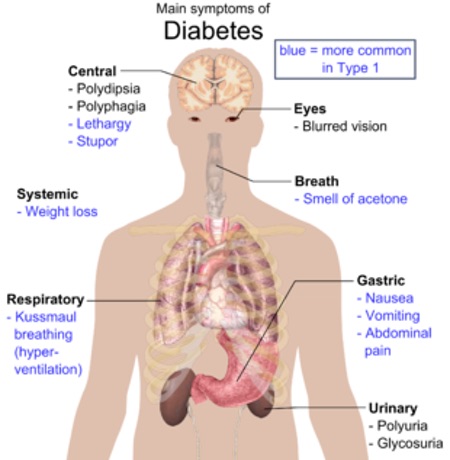
People with Type 1 diabetes produce very little or no insulin. In contrast, those with Type 2 diabetes produce insulin but the body cannot use it adequately.  Insulin is a hormone produced by beta cells in the pancreas.  Its role is to transfer blood sugar into the cells to provide energy.  Those with diabetes 1 have damaged beta cells, thus hampering insulin production.  With little or no insulin, glucose accumulates in the blood to excessive levels.

The cause of diabetes 1 is not fully understood but many medical experts believe it can be an autoimmune disorder.  Type 1 diabetes is often hereditary.

Symptoms of Type 1 Diabetes

The first signs of type 1 diabetes are:

  • Constantly feeling very thirsty
  • Feeling hungry
  • Feeling tired or fatigued throughout the day
  • Unexplained loss
  • Increased frequency of urination
  • Blurry eyesight
  • Tingling feeling or loss of feeling in your feet


Type 1 Diabetes Diagnosis

If you experience diabetes symptoms, you should consult a doctor without delay.

The following blood tests are used in the diagnosis of diabetes:

  • Fasting Blood Sugar
  • Random or Nonfasting Blood Glucose Level
  • Oral Glucose Tolerance Test
  • Hemoglobin A1c Test

For example, you may have diabetes if your Fasting Blood Sugar is higher than 126 mg/dL, or if your Random Blood Sugar level is higher than 200 mg/dL.

Treatment of Type 1 Diabetes

If you have diabetes 1 you must watch your diet and physical activity.  You must learn how to control your blood sugar.  Home blood sugar monitoring is often necessary to manage your condition.

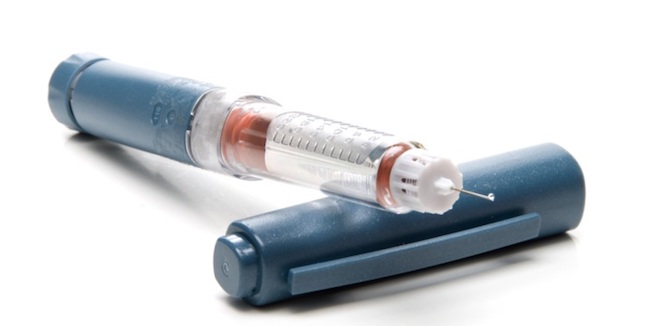
People with type 1 diabetes must take insulin everyday to move the glucose from the bloodstream and into the cells.  Usually, insulin is injected under the skin.  An alternative method makes use of a pump that continuously delivers measured amounts of insulin.

Type 1 Diabetes – Symptoms and Treatment

Different types of insulin are available and they differ in how quickly they start to work and how long they remain effective.

By reviewing the results of your blood tests, your doctor will be able to recommend the best type of insulin for you, and at what time during the day to use it.

You will also need to know how to adjust the amount of insulin you are taking when exercising, traveling, eating more or less food, or when you are sick.

Managing type 1 diabetes is very important to prevent complications from the disorder such as cardiovascular disease, kidney disease, and vision problems.

The Future of Type 1 Diabetes

There is hop in the future for people that suffer from Type 1 Diabetes. There is research showing that Metforim may help for Vascular (eye issues) that are linked to diabetes. Also there is some research that is showing that there is a possibility of  vaccine against diabetes.

Engadget had a recent article talking about the use of Stem Cells to try and create insulin within people that are living with Type 1 Diabetes. Researchers at ViaCyte, a regenerative medicine company, have some good news: They’re working on a therapy based on stem cells that can automatically release insulin into the body when it’s needed.

The treatment is specifically aimed at patients with high-risk type-1 diabetes. ViaCyte estimates that around 140,000 people in the US and Canada suffer from the condition, which can cause life-threatening events. The use of stem cells to replace pancreatic insulin cells has been tried before, but without much success. ViaCyte’s approach shows promise because the stem cells can mature within the body itself through an implant the company calls PEC-Direct.

The post Type 1 Diabetes – Symptoms and Treatment appeared first on Fitness Tips for Life.

http://ift.tt/2GpysOO

Panic Away Review – System To Cure Panic Attacks

Recently I ran across a product called Panic Away which is supposed to help those suffering from panic and anxiety. Only someone who has suffered a panic attack knows how frightening it can be.

This anxiety disorder is difficult to understand, and even the sufferer has no idea how or why the panic attack started.  Medication can help some people, but those who are wary of prescription drugs may want an alternative solution.

Panic Away is a multi-item set that can help individuals who suffer from anxiety disorder and panic attacks.  Panic Away will teach you How to Stop Panic Attacks and End General Anxiety.

What is Panic Away?

Panic Away Review - System To Cure Panic Attacks

panic away review

Panic Away is sold as a multi-set package consisting of a paperback, CDs and DVDs.  This product is said to help people who suffer from anxiety and panic attacks.  The technique used in this anxiety management product is closely similar to cognitive behavior therapy.

How Does Panic Away Work?

The Panic Away program teaches that the first thing you have to do to eliminate panic attacks is to eliminate the fear of having another one.  Your brain is the source of your fears, and you must teach your brain to get rid of the fears that trigger a panic attack.

A panic attack is incredibly frightening and confusing.  You have no control over your body and your emotions.  Panic Away by Barry McDonagh shows you how to deal with the problem at the source so that you will be able to stop the panic attack from happening in the first place.  If a panic attack does occur, you will know how to stop it immediately.

Panic Away Program Has 3 Stages

The Panic Away program avoids the use of medications.  It consists of three stages:

Stage 1: Trust.  The first stage uses a special technique called the 21-7 Technique to stop your panic attack.

Stage 2: Accept.  This involves a series of exercises to help calm your nerves and reduce your anxiety.

Stage 3: Persist.  Anxiety disorders cannot be cured instantaneously.  This stage teaches you how to ensure long-term and full recovery.

Panic Away Breaks The Cycle Of Anxiety

Panic Away Review - System To Cure Panic Attacks

The Panic Away book explains that a panic attack usually starts when a person is exhausted, either physically, mentally, or emotionally.

This is when a person’s mind becomes sensitized and susceptible to nervous anxiety.  People will start to fixate on the unusual sensations they feel, and their fear will feed on itself and trigger a panic attack.

Panic Away teaches that you must take control of your mind and stop feeding your fear.  This may be easier said than done, but the Panic Away program provides exercises and techniques to help you achieve inner peace and calm.

A panic attack can be so traumatic that it will leave a permanent imprint on a person’s psyche.  It creates a loop of anxiety where a person develops a fear of having another panic attack.  Unfortunately, it is this very fear that can cause another panic attack.

To break this cycle of anxiety, Panic Away teaches the “21-7 Technique” or “One Move Technique” to help you get a normal life back.

The 21-7 Technique

The 21-7 Technique, also called the “One Move Technique”, is the foundation of the Panic Away program.  It is based on cognitive psychology and has a scientific basis.

This technique is simple and can be implemented in any situation.  The first element of this technique is the 21-second countdown which stops the panic attack.  The second element is the 7-minute exercise, which is done to significantly reduce the feelings of anxiety.

Panic Away Review - System To Cure Panic Attacks

Mental and Physical Exercises

The Panic Away program also provides mental and physical exercises designed to help you control and manage your anxious thoughts and feelings.  It is important to do these exercises if you want to reduce your panic attacks.

Become Anxiety-Free

Treating an anxiety disorder cannot be done overnight.  Barry McDonagh’s program helps you understand and accept the sensations that come with the disorder.  Panic Away keeps you focused on your goal to become anxiety-free.  You will realize that there’s a long road ahead of you but Panic Away will help boost your confidence and provide the assurance that a full recovery is possible.

Pros

  • Teaches strategies and techniques to deal with panic attacks
  • Helps you identify and understand your fears
  • Methods are tried and tested; they also have a scientific basis
  • Does not use prescription medications

Cons

  • Not suitable for patients with severe forms of anxiety disorder
  • Requires 100% commitment; instructions must be followed exactly
  • Expensive ($67 for digital copy, $30 more delivered to your house)

What Customers Say

Panic Away Review - System To Cure Panic AttacksAlthough there are some negative feedback on Panic Away by Barry McDonagh, overall the positive reviews outweigh the negative ones.

Customers say they experienced excellent results with the program.

A number of customers expressed concern that some of the testimonials on the product’s official site may not be valid.

There is also some confusion over the name of the author, which is given as Barry McDonagh in some sites and Joe Barry in others.

Many people, however, report that Panic Away has helped them overcome their anxieties, giving them a feeling of confidence that they have never felt before, and all this without the use of anti-anxiety drugs.  At $69, Panic Away does not come cheap but may be worth it if it helps with your anxiety disorder.

Panic Away Review - System To Cure Panic Attacks

The post Panic Away Review – System To Cure Panic Attacks appeared first on Fitness Tips for Life.

http://ift.tt/2rKQecc

Type 1 Diabetes – Symptoms and Treatment

Type 1 Diabetes is a life-long condition wherein a person’s blood sugar is chronically at abnormally high levels.  The condition affects the body’s ability to use glucose in the blood for energy.

Two types of diabetes are recognized: Type 1 diabetes and Type 2 diabetes.  In this article, you will learn about the symptoms and treatment of Diabetes 1.

What is Type 1 Diabetes?

Type 1 Diabetes – Symptoms and TreatmentType 1 diabetes can surface at any age but it is most often diagnosed in kids, teenagers, or young adults.  For this reason, it was formerly known as juvenile diabetes.

People with Type 1 diabetes produce very little or no insulin. In contrast, those with Type 2 diabetes produce insulin but the body cannot use it adequately.  Insulin is a hormone produced by beta cells in the pancreas.  Its role is to transfer blood sugar into the cells to provide energy.  Those with diabetes 1 have damaged beta cells, thus hampering insulin production.  With little or no insulin, glucose accumulates in the blood to excessive levels.

The cause of diabetes 1 is not fully understood but many medical experts believe it can be an autoimmune disorder.  Type 1 diabetes is often hereditary.

Symptoms of Type 1 Diabetes

The first signs of type 1 diabetes are:

  • Constantly feeling very thirsty
  • Feeling hungry
  • Feeling tired or fatigued throughout the day
  • Unexplained loss
  • Increased frequency of urination
  • Blurry eyesight
  • Tingling feeling or loss of feeling in your feet


Type 1 Diabetes Diagnosis

If you experience diabetes symptoms, you should consult a doctor without delay.

The following blood tests are used in the diagnosis of diabetes:

  • Fasting Blood Sugar
  • Random or Nonfasting Blood Glucose Level
  • Oral Glucose Tolerance Test
  • Hemoglobin A1c Test

For example, you may have diabetes if your Fasting Blood Sugar is higher than 126 mg/dL, or if your Random Blood Sugar level is higher than 200 mg/dL.

Treatment of Type 1 Diabetes

If you have diabetes 1 you must watch your diet and physical activity.  You must learn how to control your blood sugar.  Home blood sugar monitoring is often necessary to manage your condition.

People with type 1 diabetes must take insulin everyday to move the glucose from the bloodstream and into the cells.  Usually, insulin is injected under the skin.  An alternative method makes use of a pump that continuously delivers measured amounts of insulin.

Type 1 Diabetes – Symptoms and Treatment

Different types of insulin are available and they differ in how quickly they start to work and how long they remain effective.

By reviewing the results of your blood tests, your doctor will be able to recommend the best type of insulin for you, and at what time during the day to use it.

You will also need to know how to adjust the amount of insulin you are taking when exercising, traveling, eating more or less food, or when you are sick.

Managing type 1 diabetes is very important to prevent complications from the disorder such as cardiovascular disease, kidney disease, and vision problems.

The Future of Type 1 Diabetes

There is hop in the future for people that suffer from Type 1 Diabetes. There is research showing that Metforim may help for Vascular (eye issues) that are linked to diabetes. Also there is some research that is showing that there is a possibility of  vaccine against diabetes.

Engadget had a recent article talking about the use of Stem Cells to try and create insulin within people that are living with Type 1 Diabetes. Researchers at ViaCyte, a regenerative medicine company, have some good news: They’re working on a therapy based on stem cells that can automatically release insulin into the body when it’s needed.

The treatment is specifically aimed at patients with high-risk type-1 diabetes. ViaCyte estimates that around 140,000 people in the US and Canada suffer from the condition, which can cause life-threatening events. The use of stem cells to replace pancreatic insulin cells has been tried before, but without much success. ViaCyte’s approach shows promise because the stem cells can mature within the body itself through an implant the company calls PEC-Direct.

The post Type 1 Diabetes – Symptoms and Treatment appeared first on Fitness Tips for Life.

http://ift.tt/1KGVxt3

Panic Away Review – System To Cure Panic Attacks

Recently I ran across a product called Panic Away which is supposed to help those suffering from panic and anxiety. Only someone who has suffered a panic attack knows how frightening it can be.

This anxiety disorder is difficult to understand, and even the sufferer has no idea how or why the panic attack started.  Medication can help some people, but those who are wary of prescription drugs may want an alternative solution.

Panic Away is a multi-item set that can help individuals who suffer from anxiety disorder and panic attacks.  Panic Away will teach you How to Stop Panic Attacks and End General Anxiety.

What is Panic Away?

Panic Away Review - System To Cure Panic Attacks

panic away review

Panic Away is sold as a multi-set package consisting of a paperback, CDs and DVDs.  This product is said to help people who suffer from anxiety and panic attacks.  The technique used in this anxiety management product is closely similar to cognitive behavior therapy.

How Does Panic Away Work?

The Panic Away program teaches that the first thing you have to do to eliminate panic attacks is to eliminate the fear of having another one.  Your brain is the source of your fears, and you must teach your brain to get rid of the fears that trigger a panic attack.

A panic attack is incredibly frightening and confusing.  You have no control over your body and your emotions.  Panic Away by Barry McDonagh shows you how to deal with the problem at the source so that you will be able to stop the panic attack from happening in the first place.  If a panic attack does occur, you will know how to stop it immediately.

Panic Away Program Has 3 Stages

The Panic Away program avoids the use of medications.  It consists of three stages:

Stage 1: Trust.  The first stage uses a special technique called the 21-7 Technique to stop your panic attack.

Stage 2: Accept.  This involves a series of exercises to help calm your nerves and reduce your anxiety.

Stage 3: Persist.  Anxiety disorders cannot be cured instantaneously.  This stage teaches you how to ensure long-term and full recovery.

Panic Away Breaks The Cycle Of Anxiety

Panic Away Review - System To Cure Panic Attacks

The Panic Away book explains that a panic attack usually starts when a person is exhausted, either physically, mentally, or emotionally.

This is when a person’s mind becomes sensitized and susceptible to nervous anxiety.  People will start to fixate on the unusual sensations they feel, and their fear will feed on itself and trigger a panic attack.

Panic Away teaches that you must take control of your mind and stop feeding your fear.  This may be easier said than done, but the Panic Away program provides exercises and techniques to help you achieve inner peace and calm.

A panic attack can be so traumatic that it will leave a permanent imprint on a person’s psyche.  It creates a loop of anxiety where a person develops a fear of having another panic attack.  Unfortunately, it is this very fear that can cause another panic attack.

To break this cycle of anxiety, Panic Away teaches the “21-7 Technique” or “One Move Technique” to help you get a normal life back.

The 21-7 Technique

The 21-7 Technique, also called the “One Move Technique”, is the foundation of the Panic Away program.  It is based on cognitive psychology and has a scientific basis.

This technique is simple and can be implemented in any situation.  The first element of this technique is the 21-second countdown which stops the panic attack.  The second element is the 7-minute exercise, which is done to significantly reduce the feelings of anxiety.

Panic Away Review - System To Cure Panic Attacks

Mental and Physical Exercises

The Panic Away program also provides mental and physical exercises designed to help you control and manage your anxious thoughts and feelings.  It is important to do these exercises if you want to reduce your panic attacks.

Become Anxiety-Free

Treating an anxiety disorder cannot be done overnight.  Barry McDonagh’s program helps you understand and accept the sensations that come with the disorder.  Panic Away keeps you focused on your goal to become anxiety-free.  You will realize that there’s a long road ahead of you but Panic Away will help boost your confidence and provide the assurance that a full recovery is possible.

Pros

  • Teaches strategies and techniques to deal with panic attacks
  • Helps you identify and understand your fears
  • Methods are tried and tested; they also have a scientific basis
  • Does not use prescription medications

Cons

  • Not suitable for patients with severe forms of anxiety disorder
  • Requires 100% commitment; instructions must be followed exactly
  • Expensive ($67 for digital copy, $30 more delivered to your house)

What Customers Say

Panic Away Review - System To Cure Panic AttacksAlthough there are some negative feedback on Panic Away by Barry McDonagh, overall the positive reviews outweigh the negative ones.

Customers say they experienced excellent results with the program.

A number of customers expressed concern that some of the testimonials on the product’s official site may not be valid.

There is also some confusion over the name of the author, which is given as Barry McDonagh in some sites and Joe Barry in others.

Many people, however, report that Panic Away has helped them overcome their anxieties, giving them a feeling of confidence that they have never felt before, and all this without the use of anti-anxiety drugs.  At $69, Panic Away does not come cheap but may be worth it if it helps with your anxiety disorder.

Panic Away Review - System To Cure Panic Attacks

The post Panic Away Review – System To Cure Panic Attacks appeared first on Fitness Tips for Life.

http://ift.tt/1OiJMyp

Getting Started With Ketogenic Diet

Did you know the standard American diet (SAD) contains 45-65% of calories from carbohydrate rich food? That’s why there is an epidemic of obesity and health-related illnesses. Are you guilty of choosing to eat a diet high in carbohydrates? Or are you ready to try something different?

The Ketogenic diet or Keto diet is a high fat, low carb way of eating. It allows for small amounts of proteins, natural fats like coconut oil or butter and vegetables. It enforces a 4:1 ratio of fats to proteins and carbohydrates.

egg and veggie saladFoods high in fat like nuts, coconut milk, and butter are encouraged. The diet forbids the consumption of pasta, bread, sugar, and grains. This results in the ketones replacing glucose as fuel.

This fat metabolism reduces the systemic inflammation that can cause epilepsy and other diseases. It’s also, what encourages the healthy weight loss process.

Now, before you jump into this way of eating you need to know what the Keto diet actually is, the pros and cons of the diet, and if it’s a good fit for you. It does have some drawbacks and it might not be for everyone. We’ll take a closer look at those later in this report.

Additionally, there are certain foods that you want to avoid and rules you should be aware of. This report will dig deeper into what to put on your plate.

Let’s get started.

What is the Ketogenic Diet?

You are probably excited to get to the meat, so to speak, of what you can and cannot eat. But first, let’s discuss what a ketogenic diet is.

It’s any diet that forces the body into a process called ketosis. This is the process where fats are burned for energy instead of using carbohydrates for energy. Doing it correctly, the Keto diet asks the dieter to consume high amounts of fats, moderate amounts of protein and very low amounts of carbs.

With a traditional diet, our bodies normally turn carbohydrates into glucose that’s sent throughout the body as a source for energy. On the Keto diet, we enter ketosis by limiting our carbohydrates causing our livers to start breaking down fat cells into fatty acids and ketones to be used as energy.

  1. Ketogenic comes from the ketones naturally produced in the body. These are formed when your body uses fat as energy.
  2. On a normal or traditional diet, we eat mainly protein, carbohydrates, and some fat. The extra fat is stored.
  3. On the Ketogenic diet, you eat mainly fats, very few carbohydrates, and just enough protein to maintain growth.
  4. When the body is producing ketones, fat is being used for energy. When you eat carbohydrates, the body produces glucose or blood sugar.
  5. The body enters a state of ketosis when on the Keto diet. Ketosis is an energy state where the body uses alternative fuel to provide energy. This means it begins burning fat instead of using carbohydrates for fuel.
  6. You attain ketosis when you eat a very low amount of carbohydrates, which will depend on the plan you are following and the stage you are in. Generally, it’s 20 grams a day to begin with. Your diet will consist of mostly fat, protein and green vegetables.

ham and eggsThe Keto diet, like many low-carb diets, is not a new fad. It became more popular in recent years thanks to Dr. Robert Atkins following the release of Dr. Atkins New Diet Revolution in the 1990’s. It’s easy to follow a plan that is highly effective, without feeling hunger or experiencing cravings.

Another reason for its popularity is the possibility of losing weight without exercising. Those who are severely obese have disabilities or injuries that prevent them from any type of regular exercise find this diet helpful in weight loss.

Traditional Use of The Ketogenic Diet

But before we get into the way you can benefit from it, I want to give you a little history on the diet.

The Keto diet has been in existence for over 90 years. It was designed in 1924 by Dr. Russell Wilder at the Mayo Clinic. Traditionally used for effectively treating epilepsy, it fell from use after the surge of new anti-seizure medicines in the 1940s became popular.

It was later found that the ketogenic diet was helpful in treating epileptic seizures, often in cases where no other medicine helped. Traditionally, the ketogenic diet for epilepsy is about 75% fat, 5% carbohydrates, and 20% protein.

Ketogenic diet has been used for a variety of medical conditions with success. Giving up carbs or sugar helps the body in many ways including weight loss.

The Keto Diet is Effective for Weight Loss but has Many Other Benefits to your Health Including:

  • Doctors usually recommend the ketogenic diet for children with epilepsy when their seizures have not responded to different seizure medicines.
  • There is evidence from some uncontrolled clinical trials and studies in animal that the ketogenic diet can help in a broad range of neurological and neurodegenerative disorders including Alzheimer’s disease, Parkinson’s disease, Multiple Sclerosis
  • It may also help in cases of traumatic brain injury and stroke. (Source: NCBI.nlm.nhi.gov
  • Sugar can feed cancer cells causing them to multiply. Eliminating sugar and carbs may be effective in reducing or fighting cancer.
  • Improves cardiovascular risk factors
  • New research is showing the Keto diet can be helpful in treating Autism.
  • Recent work in the last decade shows that the therapeutic effects of the ketogenic diet in many pathological conditions such as diabetes, polycystic ovary syndrome, acne, neurological diseases, and the amelioration of respiratory disease risk factors. (Source: NCBI.nlm.nhi.gov

There you have it. The benefit of the Keto diet is more than simply losing a few pounds. Even though the diet was traditionally used for the treatment of epilepsy, it has many other benefits that many people will profit from.

Discover the Secret of Why the Ketogenic Diet Is Used for Fat Loss

Carbs are devastating for the brain. ~ David Perlmutter

OLYMPUS DIGITAL CAMERA

We’ve already seen the health benefits of a Keto diet. But why is it popular as a weight loss diet? The answer is simple, really.

The reason the ketogenic diet for fat loss is so popular is that it’s very effective. It uses the body’s natural behavior to burn off fat. It doesn’t leave you feeling hungry or experiencing cravings or those annoying side effects of low calorie diets.

As mentioned before, on the ketogenic diet you will lose weight even if you can’t exercise. It’s not recommended you don’t exercise unless there is a medical reason though. You will get better and faster results if you do exercise while on the Keto diet.

How Does The Ketogenic Diet Help With Weight Loss?

The secret to why the Keto diet is used for weight loss is in the type of food you eat. The Keto diet puts your body in a state of ketosis, where the body is using fat as a source of fuel. Our bodies are designed to use either carbohydrates or fat for energy.

Carbohydrates are stored, for a while in your muscles as a sugar, and are the first choice of fuel by your body. What isn’t used is then stored as fat, which leads to weight gain.

If no sugar or glycogen is available, the body then uses the reserved fat as fuel. Forcing the body to go into ketosis by limiting the amount of carbs you eat leads to your body burning fat. This means you are actually burning the fat that has caused weight gain. In fact, it’s almost impossible not to lose weight when your body is in this state.

  1. On the low carb diet, your blood sugar levels stabilize so you don’t experience the cravings for sugary foods or the ups and downs associated with fluctuating blood sugar.
  2. People feel consistently energetic and healthy when following a low carb diet.
  3. They have smaller appetites than they did before when on a Keto diet. This means they eat less without even thinking about it.
  4. The ketogenic diet is easy to follow. You eat fresh, whole foods found in any store or restaurant. Most processed foods are out as well as sugary foods.
  5. Fat and protein makes up the diet, making it high in flavor and very satisfying.
  6. Many people find it easier to control hunger on a ketogenic diet. Since carbohydrates are reduced in a Keto diet, blood sugar is controlled and insulin level spikes are minimized. When our blood-glucose levels rise rapidly, our insulin spikes and we feel hungry. By eating a low carb diet, our blood sugar remains steady.

Undoubtedly, the secret to losing weight on the Keto diet isn’t really a secret at all. Decreasing your carb intake, increasing your fat and protein intake and eating fewer calories is why many people are using the ketogenic diet to lose weight.

Follow the Keto Diet Rules

Every diet has rules. The Ketogenic diet is no different. Of course, it would be great if we could eat whatever we want, whenever we want and still lose weight. But that’s probably not going to happen. In order to make the Keto diet work for you, you should follow a few simple rules.

Check the label for carbohydrate counts and the “per serving” sizes on pre-packaged foods. It should contain 2 grams or less for meat and dairy products and 5 grams or less for vegetables.

Choose one of the following foods when you are hungry. Once hunger dwindles, stop eating.

  • Choose grass fed meats such as beef, pork, veal, lamb, wild game. In processed meats, like sausage, read the label to ensure there aren’t any added sugars or honey.
  • Opt for poultry such as chicken, turkey, quail, duck, Cornish hen, or pheasant. Skin-on is preferable to add to the fat content. Do not bread or batter when cooking. Instead roast, stir fried, deep fry, bake, grill or barbecue.
  • Get fish, seafood, and shellfish. Choose fresh and wild caught. Canned fish should be free of added sugar. Do not bread or batter when preparing.
  • Eggs will become a staple in your ketogenic diet. They can be prepared in many ways including deviled, fried, hard-boiled, omelets, poached, or scrambled.

cut vegetablesEat one or two cups of salad greens every day. You should eat one cup of fibrous vegetables each day as well.

  • Salad greens include
    • cabbage, chives, all varieties of greens, lettuces, parsley, spinach, radishes
  • Fibrous vegetables include
  • Alfalfa and bean sprouts, Asparagus, Bamboo shoots, Bell pepper, Bok choy, Black beans, Broccoli, Brussel sprouts, Cauliflower, Celery, Chard, Cucumber, Green beans, Jicama, Mushrooms, Okra, Radishes, Rhubarb, Rutabaga, Snow peas, Sugar snap peas, Tomatoes, Turnip, Wax beans, Water chestnuts, Zucchini

Eat These Foods In Limited Quantities

  • Cheese – limit to 4 ounces a day. Most types including hard, aged like Swiss and cheddar, Brie, mozzarella, Gruyere, cream cheese and goat cheese. Avoid processed cheeses. Carbohydrate count should be less than 1 gram per serving.
  • Dairy Cream – limit to 4 tablespoons a day. This includes heavy and light cream and sour cream. Do not use half- &-half or milk.
  • Mayonnaise – limit to low-carb brands. Read the label for carb count.
  • Fatty vegetables like olives and avocados should be limited. Olives – serve up to 7 per day. Avocados – up to 1/2 an avocado per day.
  • Condiments can include lemon or lime juice, small amount of ketchup, and soy sauce.
  • Pickles – restrict to 2 servings a day. Dill or sugar-free are best.
  • Snacks and miscellaneous foods including pepperoni slices, ham, beef or turkey spread with a cream cheese, deviled eggs, pork rinds, macadamia, almond or other nuts in a small amount, coconut butter.
  • Drinks include unsweetened tea, unsweetened decaf coffee, herbal tea, water, flavored water (unsweetened), almond milk, coconut milk.
  • Commercial spices usually contain sugar so check the labels and restrict the amount you use when possible. Many spices have carbs as well. Choose basil, black pepper, cayenne pepper, chili pepper, cilantro, coriander seeds, cinnamon, ground cloves, cumin seeds, dill, ginger, mustard seeds, oregano, parsley, peppermint, rosemary, sage, thyme and turmeric.

Choose Good Fats And Oils

butter melting in the pan

butter melting in the pan

Most kinds of oil, butter, and cream can be used in cooking including

  • Beef tallow
  • Organic butter
  • Chicken fat
  • Ghee
  • Lard
  • Olive oil
  • Coconut oil
  • Red palm oil

For salad dressings, choose avocado oil, almond oil, macadamia oil, mayonnaise, and most nut oils.

Tips for Sticking to Your Ketogenic Diet

Just imagine you have been following the Keto diet for a while, when suddenly you find it hard to stick to the rules. You want to add some carbs. Or you are tired of the same old meals. Or maybe you aren’t getting any support from those around you.

Here are some tips to help you stick to the diet.

Ketogenic-Diet-for-Weight-Loss-Made-Simple-ecover

Get support. Join online groups and forums where others are following the same diet. Encourage friends and family to join you on the ketogenic diet.

Focus on the good things. Focus on what you have already achieved. Do you feel more energetic? Has your sleep improved? How do you feel compared to before you started the Keto diet?

Get back on if you fall off. If you do slip and eat a slice of cake or drink a beer, don’t give up. It’s unrealistic to expect you won’t fall for temptation occasionally. The point is to get right back to choosing healthy choices. Remember though, that when you eat a certain amount of carbs your body comes out of ketosis. That means it will take you a couple of days to get back into it.

Be prepared. Get the supplies, books, and the foods you need before you begin the diet. Clean out your pantry of all the things you shouldn’t be eating so you are less likely to be tempted.

Set up an accountability system. Get someone to hold you accountable to sticking to the plan.

Add exercise. After the first month, add a high intensity exercise program. It can be as simple as a fast walking routine. Add weight training once a week as well to help with fat burning.

When exercising, you may need to change your Keto diet to a targeted or cyclical plan. The cyclical ketogenic diet means adding a carb-load on the weekends and following a normal Keto diet during the week. A targeted ketogenic diet plan means eating a few extra carbs before you work out.

Be patient and don’t cheat. It will take time for your body to begin burning fat and to get into ketosis. Stick to it and be consistent with it. Don’t weight yourself every day. Weight varies between 2 and 4 pounds every day due to water intake and absorption.

Track your progress and eating habits. Use a written journal, electronic notepad or a mobile phone app. Measure and write down what you eat. Keep track of calories, fat, protein and carbohydrate intake.

As you can see, you aren’t alone in this journey. There are many ways to get support when you feel like stopping. Being patient and consistent with the plan is the first step. It gets easier and the more support and accountability you have, the more likelihood you’ll stick it out.

Measuring Progress and Your Results

No doubt, one of most motivational things about losing weight is being able to see and measure your results. I mean, you look in the mirror and see a leaner you and your clothes are getting looser.

Can you imagine how great that feels? Those are great feelings to be sure. But, you need to measure your progress truly to get the reassurance you need that the Keto diet is working. There are different ways to monitor your success on this plan.

One way is by measuring ketosis. The way this is done is by testing the bi-product ketones of the process that are released from the body. They come out in your breath, sweat, and urine. Self-testing urine strips for testing your urine allows you to see when your body first goes into ketosis and that you are staying in ketosis. The strips are neutral in color and change to shades of pale pink to deep purple during ketosis. The darker the color the more ketones you are burning. Later one you can purchase a blood ketone meter.

Another option is to have a complete blood chemistry test done before you start and then 1 month into the diet. This will show your cholesterol and blood sugar changes.

You can measure weight loss by weighing yourself once a week, preferably at the same time. During the first week, you will likely see a significant change. But, don’t be fooled. Some of it will be fat loss but some is also retained water loss.

Measure yourself as a way to keep track of weight loss. If you are working out while on the diet, you may gain weight through lean muscle mass. To measure that you are losing weight you need to see if you are losing inches.

Measuring and tracking your weight loss while on the ketogenic diet is an easy process and will help keep you motivated to continue.

The Choice is Yours

The fact is millions of people have successfully used a type of low carb diet including the ketogenic diet as a way to lose weight. It’s a popular way to lose weight since it is highly effective. It uses the body’s natural fat burning ability to burn fat without leaving you hungry, experiencing cravings, or suffering from the negative effects of too few calories.

Will it work for you? Maybe or maybe not.

You will be the one who has to decide. Are the side effects more than you want to deal with? Is the fast weight loss worth giving up your favorite carbs for?

With those questions in mind, take a look at some of the pros of the diet.

We’ve already seen that the ketogenic diet has been used in the treatment of epilepsy. It’s now being used for many other health issues as well including reducing cardiovascular risk, cancer risk, the treatment of many neurological issues. The health benefits include weight loss, which in turn can alleviate all sorts of health issues from joint pain to risk of stroke and diabetes.

You should be aware of the cons as well.

  • One of the major problems with ketosis is the risk to high-level athletes and people with high-energy jobs in not getting enough energy to work.
  • It’s a very restrictive way to eat. Many people have trouble sticking to the diet especially if they enjoy social functions and eat out a lot.
  • Another drawback is that some people may cut out all fruit and vegetables. These foods are essential for providing vitamins and minerals for good health.
  • Also, a long-term, low-carb diet may damage the metabolism, particularly when combined with a low calorie diet and excessive cardio exercise. Read more about it here.

A normal or traditional carbohydrate rich diet allows us to eat larger amounts of protein and carbohydrates than we do fat. The body burns the sugar from the carbs for energy and stores the extra fat.

The ketogenic diet though is almost totally opposite. It encourages us to eat much higher levels of fat with very little carbohydrates and some protein. The body burns or uses fat for energy from the ketones produced on the diet.

Potential Drawbacks of the Ketogenic Diet

Before you make a decision to jump into the diet, you should know that without a doubt there are criticisms against the ketogenic diet. I mean, with every type of eating there are those who believe one way or another about it. For example, the ketogenic diet has many myths associated with it. Let’s dig deeper into some of them shall we?

Ketosis may lead to hypothyroidism and possible adrenal fatigue

The belief for this is that the lower level of glucose from the diet can lead to a diminished capacity for T4 to convert to T3. This can lead to hair loss, cold hands and feet, general sickness and low thyroid function symptoms.

According to Dr. Ron Rosedale, a “lower number does not necessarily mean lower function…often it means better function.” The thyroid levels return to a desirable level, which could be lower, when the body is operating optimally.

Often times people confuse diabetic ketoacidosis (DKA) which is bad with nutritional ketosis which is actually a good thing. Dr. Peter Attia has a great explanation of both on his The Eating Academy blog.

As for adrenal fatigue, while rumors abound and studies are still being done, many medical professionals suggest that chronic stress is the #1 cause of adrenal fatigue, not your diet. However if your body is not working at peak proficiency, you need to address those issues prior to beginning any diet or exercise regimen.

In addition, when you first start going into the metabolic state of ketosis, you may feel sluggish, have a brain fog and fatigue. But once the body gets used to it, you’ll actually experience higher levels of energy, more clarity and better performance overall.

 It says to eat fat but I thought fat is bad

avocados

Avocado – High in Fat but good for you

Many people are afraid to try the ketogenic diet plan because of their fear of increasing the amount of fat they eat, especially saturated fat. We’ve been told for over 30 years that fat is bad.

The reality is a high carb diet increases your blood sugar and insulin levels. These are what cause inflammation and heart disease. A ketogenic diet is high in fat and low in carbs so it reduces inflammation. (Source: ncbi.nlm.nih.gov)

Use healthy fats and oils in your diet and you can lay this fear to rest.

No carbohydrates can leads to nutrient deficiencies

During the no-carb phase of the diet carbohydrates are very restricted which may lead some people to believe that you won’t your daily recommended amount of certain vitamins and minerals. However, this can be remedied by taking a multivitamin and mineral supplement each day. In addition, during the high-carb phase of the diet, you will want to eat plenty of healthy carbs such as brown rice, sweet potatoes, squash and whole-wheat pasta.

Your Gut Health Will Suffer

Gut health has been in the news in recent years. Many people believe that we need certain dietary fiber to feed our gut microbiome. And they believe we can’t get that without eating certain foods.

Dr. William Davis has said that people on a ketogenic diet can get an adequate amount of indigestible fibers to feed their gut flora. The fiber content of non-starchy vegetables is enough to feed the microbiome.

In addition, you can improve your gut health by supplementing with probiotics, resistant starch such as raw potato starch, some fermented foods like sauerkraut, kimchi and raw full-fat plain yogurt, ketogenic amino acids such as leucine and lysine and coconut oil or Caprylic acid.

Side Effects of Keto Diet

There are some side effects of the ketogenic diet as well. When making sudden and dramatic changes to your daily diet you might experience mild but temporary side effects like the following.

  • Headaches and dizziness. Sugar and caffeine both have addictive effects so when you give them up in the induction phase of the Keto diet, you have withdrawal symptoms. They will only last a few days. You can counteract this by drinking some salty broth, dairy foods, green leafy veggies and avocados.
  • Leg cramps. You may experience cramps in your legs especially at night. They usually occur during the early phases of the diet. The lack of potassium in the diet is the cause. It’s recommended to take multivitamin containing potassium while on the diet. Also look for keto diet approved foods that are also high in potassium such as avocados and raw green leafy vegetables.
  • Constipation. Constipation can come from not getting enough fiber. Make sure the carbs you are eating are from green vegetables and you are drinking plenty of water.
  • Sugar cravings. As your body is moving from burning sugar to fat, there will be a period of 2 to 10 days when your carb cravings will be worse. Eat 4 ounces of protein if you are hungry. Try to wait it out as they do eventually disappear.
  • Your body burns fat to use for energy when you are on the ketogenic diet. This is known as ketosis. The byproduct of this process is the release of ketones that are released through your breath and urine. To get rid of the smell chew fresh mint, parsley, or use sugar free gum or a breath spray.

Like any diet, change there will be some side effects. The good news is that on the ketogenic diet they are temporary and don’t last long. Being aware of what they are and what to do about them will help you get through them.

All things considered, if you are interested in beginning the ketogenic diet, you need to weigh the pros and cons and get expert opinions on whether this is the right diet for you.

The post Getting Started With Ketogenic Diet appeared first on Fitness Tips for Life.

http://ift.tt/1TcnL0S
Glycemic index and Glycemic load

I looked through the archives of this blog and am surprised that I have not mentioned the glycemic index before. The glycemic index is basically the measure of how quickly a carbohydrate will be burned and metabolized by your body.

Take this example, one person eats a pack of sugar and one person eats a potato.

You would expect that the sugar would quickly raise your blood sugar and then a half hour later or so your blood sugar would drop back down where with the potato your blood sugar would rise a bit for a couple of hours and then drop slowly after that time (I am only guessing at the numbers to point out the idea).

Looking at this example we would say that the sugar is a high glycemic food and the potato is a low glycemic food.

Low Glycemic Index Carbs

glycemic indexOne of the decision points that I make when I eat is to try to make sure as many of the carbohydrates that I eat are low glycemic carbohydrates.

By taking in low glycemic foods I will have lower spikes in my blood sugar and should have a much more consistent energy level throughout the day.

This is a very tough thing to figure out initially but as you get the hang of the numbers it becomes easier.

Here are some foods and their Glycemic index values:

Glycemic Index and Glycemic Load Values for Selected Foods (Relative to Glucose)
Food
Glycemic Index
(Glucose=100)
Serving size
Carbohydrate per serving (g)
Glycemic Load per serving
Dates, dried
103
2 oz
40
42
Cornflakes
81
1 cup
26
21
Jelly beans
78
1 oz
28
22
Puffed rice cakes
78
3 cakes
21
17
Russet potato (baked)
76
1 medium
30
23
Doughnut
76
1 medium
23
17
Soda crackers
74
4 crackers
17
12
White bread
73
1 large slice
14
10
Table sugar (sucrose)
68
2 tsp
10
7
Pancake
67
6″ diameter
58
39
White rice (boiled)
64
1 cup
36
23
Brown rice (boiled)
55
1 cup
33
18
Spaghetti, white; boiled 10-15 min
44
1 cup
40
18
Spaghetti, white; boiled 5 min
38
1 cup
40
15
Spaghetti, whole wheat; boiled
37
1 cup
37
14
Rye, pumpernickel bread
41
1 large slice
12
5
Oranges, raw
42
1 medium
11
5
Pears, raw
38
1 medium
11
4
Apples, raw
38
1 medium
15
6
All-Bran™ cereal
38
1 cup
23
9
Skim milk
32
8 fl oz
13
4
Lentils, dried; boiled
29
1 cup
18
5
Kidney beans, dried; boiled
28
1 cup
25
7
Pearled barley; boiled
25
1 cup
42
11
Cashew nuts
22
1 oz
9
2
Peanuts
14
1 oz
6
1
glycemic index

Zone Diet uses the Glycemic Index

So now that you see this Glycemic index info what exactly is the Glycemic load? The amount of carbohydrate consumed affects blood glucose levels and insulin responses.

The glycemic load of a food is calculated by multiplying the glycemic index by the amount of carbohydrate in grams provided by a food and dividing the total by 100.

In essence, each unit of the glycemic load represents the equivalent blood glucose-raising effect of 1 gram of pure glucose or white bread. Dietary glycemic load is the sum of the glycemic loads for all foods consumed in the diet.

The concept of glycemic load was developed by scientists to simultaneously describe the quality (glycemic index) and quantity of carbohydrate in a meal or diet.

Where to find more on Glycemic Index and Clycemic Load

There are many books and websites that will give you numbers for Glycemic index and glycemic load of foods and I think that the best book for Glycemic index information is the GI Diet, a book that can be purchased just about everywhere.

There are a few diets that really concentrate on this info most notably the Zone diet and the GI Diet but I just look at this information as a guideline on how to eat not only focusing on the GI level or glycemic load level of a certain food but looking at my whole diet to decide how well I am eating on a daily basis.

The post Glycemic index and Glycemic load appeared first on Fitness Tips for Life.

http://ift.tt/1KQNQ6D

Health Benefits of Massage

Many people look upon massage as an indulgence that is simply not necessary, I have to admit that I enjoy getting a massage but was always wondering if long term massage was good for me.

This way of thinking keeps them from experiencing the miraculous healing power a good massage can have.

This form of therapy is not only very pleasant and relaxing but offers great health inspiring benefits.

This article is going to reveal some of the key health benefits of massage and debunk the idea that it is a luxury not worth pursuing. Here is what you can expect by receiving a massage every week or two

This form of therapy is not only very pleasant and relaxing but offers great health inspiring benefits

Health Benefits of Massage

Increased circulation throughout the body. This is great for addressing a whole host of health issues. Better circulation brings fresh oxygen and nutrients to the tissues. This allows them to reach optimal health very quickly.

Better flow of lymph fluid. This allows the lymph system to be far more effective in removing toxins and other pollutants. It breaks up the stagnant lymph fluid allowing the whole system to be freshened and cleansed.

Promotes deep, slow breathing. This is very beneficial to both the body and mind. Slow, deep breathing brings much more oxygen into the body. This is wonderful for your health. Oxygen is critical to every aspect of body operation.

The more oxygen you have in your system the better. Deep, slow breathing also eases anxiety in the mind.

Helps the body recover faster from injuries to the muscles and tendons. This is because massage relieves harmful tension and inflammation and brings better circulation to the affected area. Be sure to tell your therapist about the injury so that they can treat it accordingly.

Releases serotonin and endorphins from the brain. These are the bodys natural feel-good hormones. People who have elevated levels of these hormones feel happy and exuberant.

They are also very effective at relieving pain. This is of great benefit to anyone, especially people suffering with chronic disease.

If you are prone to depression you will find a degree of relief by receiving a regular massage. This is because of the release of these natural hormones along with the relaxation of the body.

Makes the skin healthier and more vibrant. Vigorous massage brings new life into tired, old looking skin. Fresh nutrients and oxygen are delivered to the skin resulting in a healthy glow. A massage per week can keep your skin looking its best, deep into old age.

Also, because the therapist uses a lotion to aid in the massage your skin becomes fully moisturized, leading to greater elasticity and a reduction of wrinkles.

The above benefits are only a quick overview of the health benefits of massage. To write about all the great things massage can do for you I would need many pages. It is important that you find a high quality, well-trained massage therapist.

This will ensure you the best experience possible along with the greatest health benefits. Be sure to alert the therapist to any special needs or concerns you may have.

It is important to maintain a regular schedule of massage to receive maximum benefits. While a massage every now then is very healthy, it will not even come close to the power of regular massages.

I find that a massage every one or two weeks provides the best benefits. Simply find a routine that works for you and stick with it. You will be very glad you did.

The post Health Benefits of Massage appeared first on Fitness Tips for Life.

http://ift.tt/1CWOSbO

High Performance Sleeping

If you are intent on high performance in your chosen field, you must sleep well. The impact of insufficient sleep can be enormous: lack of energy; inability to think; impatience; loss of temper; studies have even shown that your co-ordination and agility are affected to the same degree as someone who is drunk!

Everyone who has suffered a sleepless night knows that your performance and enjoyment of life is compromised by a lack of sleep. So, how do you achieve a good night’s slumber? First, let’s look at where you are trying to sleep, then at your sleeping habits.

Tips for High Performance Sleeping

sleeping-ladyThere are many things that you can do to improve your sleep. To live a high performance life and it starts with your bedroom and continues on to good sleep habits.

Follow these tips and the over a very short period of time you will be able to see the obvious signs and benefits of better sleep and improve your health because of it.

Setting Up Your Bedroom For Better Sleep

Your bedroom needs to be conducive to sleep:

  • A recent study concluded that the best sleep comes on a comfortable and supportive mattress less than 5 years old. You may need a new mattress if:
    • Your mattress is showing signs of wear and tear (sags, lumps etc.).
    • You wake up with numbness, aches and pains.
    • You find you sleep better in a bed other than your own.
  • Evaluate your pillow(s) and ensure they give you proper comfort and support. Some authorities even advise that pillows should be replaced every year.
  • Make sure the room is dark. If you sleep during the day, you may need to use heavy total block-out curtains.
  • The right temperature is vital. Your zebra print bed sheets may look good, but if you feel too hot or too cold, sleep will be elusive. Some claim that a room temperature of between 60 – 65 degrees Fahrenheit (16 – 18 degrees Celsius) is required. Personally, I find that it is the temperature inside the bed that is the most important. Does your bedding keep you the right temperature? Do you use cotton sheets in summer to help keep cool in summer, and flannel sheets for warmth in winter?
  • Avoid loud or sharp noises. Sometimes gentle background music or “white” noise (eg. static) is useful since it helps to drown out other background noise.
  • If you share a bed with your partner, make sure you have enough room for both of you to move independently, and that your partner’s movements do not disturb you. There’s nothing worse than feeling like you are sleeping on a trampoline!
  • Keep work related materials out of the bedroom. Ensure your bedroom is a sanctuary from the pressures of work.
  • Keep TV’s and computers out of the bedroom. These items stimulate your mind, making it hard to relax and turn off before you turn out the lights.Effects_of_sleep_deprivation


Good Sleeping Habits

Just as important as your sleeping environment are your bed time habits. It is essential to develop a routine that allows you to relax and “unwind” at the end of the day. For example:

  • Create a bedtime routine that is quiet and relaxing. Avoid watching TV or doing work just before bed. Instead, enjoy some light reading, listen to soothing music, or practice relaxation techniques.
  • Develop a consistent sleep rhythm by keeping a consistent bedtime, including at weekends. Many people stay up much later on weekends than they do during the week. Continually interrupting your body’s sleep patterns like this makes it much harder to sleep when you want to.
  • Exercise regularly, but not just before bed.
  • Do not eat close to bed time, particularly heavy, spicy or sugary foods.
  • Avoid stimulants such as alcohol, nicotine and caffeine close to bedtime.
  • When you get into bed, get into your favorite sleeping position. However, if you don’t go to sleep within 15-30 mins, get up, go to another room and do something quiet and relaxing (e.g. read) until sleepy.
  • Some people find it useful to use a sleep aid supplement. Try one that promotes a state of relaxation but doesn’t make you drowsy during the day. Sleep aids containing Melatonin, Valerian root, Chamomile and 5-Hydroxytryptophan are generally popular.
  • Try to sleep only when you are actually tired.
  • Avoid napping during the day – particularly if this is not part of your regular sleeping and waking pattern. Sometimes a short 30 minute nap in the afternoon can be refreshing. In general, however, do not fall into a deep, extended sleep during the day. Otherwise you may find it difficult to sleep at night.

sleep tips

Following the advice above can greatly improve the quality and quantity of sleep for the majority of people.

However, some people suffer from sleeping problems may be suffering from an undiagnosed sleep disorder. Your family doctor may be able to assist with an assessment and treatment, or you may find it beneficial to contact organizations such as the National Sleep Foundation and/or The Better Sleep Council for advice.


The post High Performance Sleeping appeared first on Fitness Tips for Life.

http://ift.tt/1IHzRZl

Medium Chain Triglycerides for Weight Loss

Medium-chain triglycerides (also called MCT) are a kind of fat that has been shown is a few studies to help with loss through the burning of more calories and the way that they are able to burn calories more efficiently.

I was reading an article by Silicon Valley investor Dave Asprey where he talked about the rejuvenation he felt from drinking Yak butter tea after a really tough session of mountain climbing.

medium chain triglyceridesNow, I have never had Yak butter tea but I have been looking into the biological effects of medium-chain triglycerides, so the first thing to understand is the difference between short chain, medium chain, and long chain triglycerides.

Dietary fats are made up of three fatty acids attached to a glycerol backbone. These fatty acids consist of chains of carbon and hydrogen.

The way that we designate the difference between short, medium and long chain triglycerides is by the number of carbon atoms that makes this fat cell longer or shorter.

You can have as few as one and as many as 18 carbon atoms (sorry for the crazy cellular biology) 🙂

Here are the three types of Triglycerides

Short-chain Triglycerides – Milk products are the biggest form that we think of when we think of short term triglycerides. These milk products are digested in the stomach.

Medium-chain Triglycerides – Most of the most exciting dietary fats are medium chain Triglycerides, these include Coconut oil, butter, and palm kernel oil,

Long-chain Triglycerides – Most fats and oils in our diet are long-chain Triglycerides and these are broken down in your intestines and need bile to be broken down

Why Take MCTs?

There are a few reasons why MCTs are good and lots of diets and research are showing that it is super good no matter that it is fat and has been demonized for so long.

A growing body of evidence indicates that Alzheimer’s disease (AD), its precursor, mild cognitive impairment (MCI), and other conditions that interfere with cognitive function, can be added to the list of “diseases of civilization” that largely result from diets and lifestyles…via Medium-Chain Triglycerides: Offering Up Brain-Boosting Ketones …

Also there is a lot of fat loss reasearch going on

The saturated fat found in coconut oil is a particular type of fat known as MCTs (medium-chain triglycerides). MCTs are metabolized in the body differently from other saturated fats. …via Coconut Oil for Weight Loss? | Jonny Bowden


Where can you get These MCTs

MCT rich foods are of course Coconut oil, palm kernel oil (not palm oil), Full fat milk (cow, goat, or sheep), and Ghee

  • One cup of whole milk has 0.55 gram of MCTs
  • 1 tablespoon of palm kernel oil 7.4 grams of MCTs
  • 1 tablespoon of coconut oil 7.9 grams of MCTs

The post Medium Chain Triglycerides for Weight Loss appeared first on Fitness Tips for Life.

http://ift.tt/1ojRICJ

My Favorite Oatmeal Breakfast

I love my morning oatmeal. I always know that I have something special in the morning but oveer the last few days my oatmeal seems to be even better.

I was apparently taking my breakfast for granted.

I used to eat Nutella on a raisin and cinnamon bagel but after a while I got tired of it and switched to apple flavored oatmeal. I realized that I really did like the taste of oatmeal and it wasn’t just that it was good for me.

Getting Started With Oatmeal Again

I started getting a bit more serious a couple years ago about my breakfast and realized that the flavoring in the oatmeal was really not much more than apple flavored sugar(how the heck do they make flavorings anyway). So I decided to find some better stuff to put in plain oatmeal.

I started with just oatmeal – no sugar even

Then I added some berries. Blueberries initially, then dried cranberries (much easier to travel with)

Then the seeds. I love pumpkin seeds, and I know that other seeds would add lots of nutrients and healthy fats.

And finally, just a few months ago when making my home made granola bars I realized that coconut flakes would be really great as well.

So here is a picture of my favorite Oatmeal. This is my great breakfast meal

Special Favorite Oatmeal

Looks pretty full of stuff doesn’t it? I have to admit that I was a little surprised but not too worried about how high the calories are in this. It tastes really good, is super healthy for you, and is quite filling.

Here is the Nutritional Breakdown for my Special Oatmeal

Ingredients Calories Carbs Fat Protein Sodium Sugar
Oatmeal (Dry), 60 g 225 41 5 8 0 2
Raw – Pumpkin Seeds, 2 Tbsp 82 3 7 4 0 0
Sunflower Seeds – Raw, 1 fluid ounce 102 4 9 4 2 0
Chia Seed, 1 tbsp 60 5 3 3 0 0
Kroger – Unsweetened Coconut Flakes, 10 grams 70 3 6 0 0 0
Light Brown Sugar – Kroger, 1 tsp (4g) 15 4 0 0 0 12
Dried cranberries – Dried Cranberries, 0.19 cup 98 25 0 0 8 21
Total: 652 Calories 85 grams carbs 30 grams fat 19 grams protein 10 grams sodium 35 grams sugar

This really is a substantial breakfast but it is a really great one with lot so nutrients and great flavor.

How Did I Take This For Granted?

Oh, and earlier when I mentioned that I was taking this for granted? I always make this as a big bag of oatmeal. I make a week or two worth at once and then just pour it out of the bag each day for a serving. Friday things changed a bit.

On Friday I had run out and decided to have something different – a sausage and egg bagel form McDonalds. The taste was great but the fat really slowed me down and it still did not energize me as much as the oatmeal.

Then over the weekend I was eating bagels with natural peanut butter – again tasted good, again not satisfying and did not fuel me like I am used to on a daily basis.

So try this out. Go to the local bulk section and get some seeds and add mix up a bowl of hot oatmeal. I always use water never milk – but try hot milk if you would like, see what you think.

If you try this for a few days you will find it is the best breakfast and you will never want to go back to boring cereal or donuts again.

The post My Favorite Oatmeal Breakfast appeared first on Fitness Tips for Life.

http://ift.tt/1lpfxaW

Transverse Abdominis Muscles

The Transverse Abdominis are a part of your abs that controls a lot of your core strength.

As we are all aware you need to work your upper and loser abs to get a 6 pack but behind all of that six pack muscles is your Transverse Abdominis and these muscles are what keep your gut in as well as helping you stand upright.

One of the problems with working the Transverse Abdominis muscles or TVA as many people call them is that there is not up and down type motion that strengthens them.

As great as the picture here is it does not really tell you the whole story (those pics were just gross) and that is that this muscle is behind all of your abdominal muscles and so when you try to work them it is more of a flexing of them not the kind of exercise that most people do.

Transverse Abdominis

The people that really need to strengthen these TVA muscles are people that sit a lot and that do not move around much although all of us in one way or another probably have weak Transverse Abdominis muscles. So I tried to find some exercises to strengthen them.

Once you get the feel of the following couple of exercises you should not have much trouble just doing this exercise standing up anytime.

Transverse Abdominis Exercises

To work your Transverse Abdominis muscles the best way is to lean over and brace your body against your forearms against a table or counter. And after this let your stomach lay loose.

Then suck in your gut (fighting against the gravity) and just keep it held for as long as you can which may be about 15 or 30 seconds. Do this two or three times with a few minutes in between then rep/sets and you will really feel it.

The next exercise would be tougher and that is to get down on your hands and knees and do this same exercise. since you will be working your Transverse Abdominis with even tougher gravity you will find that this exercise will be even tougher. This is the Plank exercise. Most of us have done this in the past or heard of it at the very least.

What can you expect by working your Transverse Abdominis muscles

I am not sure how well these exercises will work for you but you are going to find if you have a flabby midsection then this may make the biggest difference to tighten your midsection.

As I pointed out earlier the Transverse Abdominis muscles are the most over looked muscle in your abdominal area.

The post Transverse Abdominis Muscles appeared first on Fitness Tips for Life.

http://ift.tt/1PAhXxE

12 Ways To Raise Serotonin Levels

Serotonin is a very important brain chemical. One of the ways that we see serotonin in use is in our moods and especially in the way that we think. Depression is often caused by low levels of this hormone so to raise serotonin levels is a very critical thing for many.

Think of serotonin in your brain as a funnel that just slowly drains goodness, if you have stress, don’t get our enough, get sick, then your serotonin production in your body will drop until that funnel has nothing to give your brain. This is bad. This is what causes depression in many people and there are ways to stop depression causing low serotonin levels.

The important thing to remember is that stress in our life, although sometimes important and good, increases the output of cortisol. Cortisol is the anti-happy hormone if there ever was one.

So it is important to keep your life free of extra stresses and especially when you are feeling down take all stresses possible out of your life

How to Raise Serotonin Levels

raise serotonin levelsBasically what you need to increase the creation of serotonin in your body is diet change, exercise, exposure to bright sunlight and if all else fails then SSRI antidepressent drugs.

1. The dietary supplement 5-hydroxy-L-tryptophan (5-HTP) is promoted as a treatment for insomnia, depression, migraine, obesity and attention deficit disorder in children. It is a derivative of the amino acid tryptophan and, in fact, the body makes it from the tryptophan present in foods such as beef, chicken, fish, dairy products and other high protein foods.

I have found a lot of evidence that people swear by supplementing their diet with 5-HTP so this is something that you can try.

2. Exercise increases serotonin. We all know how important exercise is for improving our physical health and concentration as well as mood and it is the endorphin creation that fuels higher serotonin levels. Get exercise everyday.

3. Bright light increases serotonin and in winter a lack of serotonin may be one of the reasons behind Seasonal Affective disorder. Getting out in bright sunlight, especially in Winter when it is much tougher often to find is important.

4. Taking a walk on a cold sunny day in the Winter is great but even in Summer some people just do not get out enough to help raise those levels of serotonin.

A few more tips from Chatelaine Magazine

5. Take B Complex Vitamins. High total intakes of vitamins B6 and B12 are associated with a lower risk of depressive symptoms over time in community-residing older adults, according to the results of a cohort study reported in the American Journal of Clinical Nutrition.

Vitamin B6 in particular supports the production and function of serotonin, melatonin and dopamine in the brain.

6. St. John’s Wort. This herb has been proven effective for easing mild to moderate depression. It appears to work as a natural SSRI (selective serotonin re-uptake inhibitor) by preventing the breakdown of serotonin in the brain.

7. Add inositol to your smoothies. Naturally present in many foods, inositol improves the activity of serotonin in the brain. As a supplement, it’s an excellent choice for alleviating anxiety and depression and supporting nervous system health.

And a couple more from a great article on the Bodyecology website

8. Include fermented foods and drinks in your diet – Fermented foods and drinks greatly assist in digestion and assimilation of all the important nutrients you need for serotonin. Additionally, they boost the nutrients in your food by at least a hundred fold. As mentioned above they manufacture those essential B vitamins that help with boosting your mood.

Microflora rich Dong Quai is an excellent fermented drink that supports your energy and mood AND decreases cravings for sugar.

9. Get massages and other forms of body work – We’ve heard about the healing power of touch, but now research backs it up! A study conducted by the Touch Research Institutes at the University of Miami School of Medicine shows that massage increases serotonin by 28% and decreases cortisol (the stress hormone) by 31%.

10. Consider purchasing a BioMat. This is a wonderful pad that you lie on — ideally with headphones and beautiful relaxing music that increases brain cells. The BioMat combines far infrared negative ions and amethyst crystals and produces negative ions that increase the flow of oxygen to your brain having a positive effect on how serotonin is oxidized in your blood stream.

Like a large, chamber-size and more expensive sauna the Bio Mat also helps with removal of toxins that interfere with brain health. I recommend the smaller size because it is more affordable and yet you can still do a “sauna-level” sweat on it.

11. Eat foods that are high in Serotonin or raise serotonin levels. There are a few foods like Turkey or bananas with their Tryptophan, buckwheat and Flax which are high in B Vitamins and Omegas. And when speaking of Omega vitamins don’t forget Wild Salmon or eggs.

Nuts like walnuts are especially beneficial for serotonin production. Sunflower seeds, pumpkin seeds, sesame seeds, peanuts, almonds and cashews can increase serotonin in the body

12. If all of these things fail then it is a good idea to talk to your doctor. Antidepressant drugs like Lexapro, Prozac, Zoloft, and Paxil work to raise serotonin levels in the brain by stopping one part of your brain synapses from absorbing all serotonin and instead making it available for the parts that do need it. This will help you to be able to pop out of that depression in as little as a few days to a couple of weeks.

The key to using these drugs to raise serotonin levels to me though is that you need to do all of the right things. Do not rely on the drugs when you can instead rely on outdoor exercise and a better diet.

The post 12 Ways To Raise Serotonin Levels appeared first on Fitness Tips for Life.

http://ift.tt/1ei7o4F