Showing posts with label June 11. Show all posts

8 Natural Pain Relievers

Pain is a feeling that all of us would want to avoid, but often end up experiencing. Be it in the form of a headache, period pain, muscle ache or joint inflammation, an ache never leaves our side for too long a time.

The method that most of us follow to get rid of a pain is to pop an over-the-counter (OTC) painkiller into our mouth. While OTC medicines are effective in treating pain, they are also associated with a number of side effects, especially if used regularly or on a long-term basis.

Though many of us are unaware of this fact, there are a number of natural pain killers that can help relieve aches, without presenting the danger of side effects. In the following lines, we have listed some of the most effective natural remedies for pain, including the herbal ones.

Natural Pain Killers

8 Natural Pain RelieversBoswellia

Boswellia is the name of an Indian herb that has been found to be effective in treating the pain occurring from rheumatoid arthritis (RA).

Boswellic acids, the active constituents in boswellia, are responsible for bringing relief from the ache. This particular herb is available in the form of supplements as well as topically-applied creams.

Devil’s Claw
Devil’s claw, scientifically known as Harpagophytum procumbens, is also an herb that is believed to relieve pain associated with arthritis.

Apart from that, it has been seen that the herb helps reduce pain intensity, muscle spasms and muscle tenderness. Native to South Africa, Devil’s claw contains chemicals called iridoid glycosides and has been found to be effective in lower back pain as well.

White Willow
A supplement of white willow bark has been found to provide the pain-relieving effects that result from the use of aspirin, without the latter’s side effects.

Though there are no major negative effects associated with white willow, people with peptic ulcers or gastritis are advised against using it.

Feverfew
Feverfew, an herb, has been in use as a remedy for inflammation and period pains since the time of the ancient Greeks.

Studies have indicated that the herb reduces the frequency, severity and duration of migraine headaches, if consumed over a long period of time. Still, it cannot be taken as an effective treatment for an acute migraine attack.

MSM
MSM (methyl-sulphonyl-methane) is the term used in reference to the naturally-occurring sulphur compound, like that found in sulphurous springs.

The compound has been known to benefit aching joints. It is available in the form of dietary supplement as well as creams, for topical application.

Magnesium
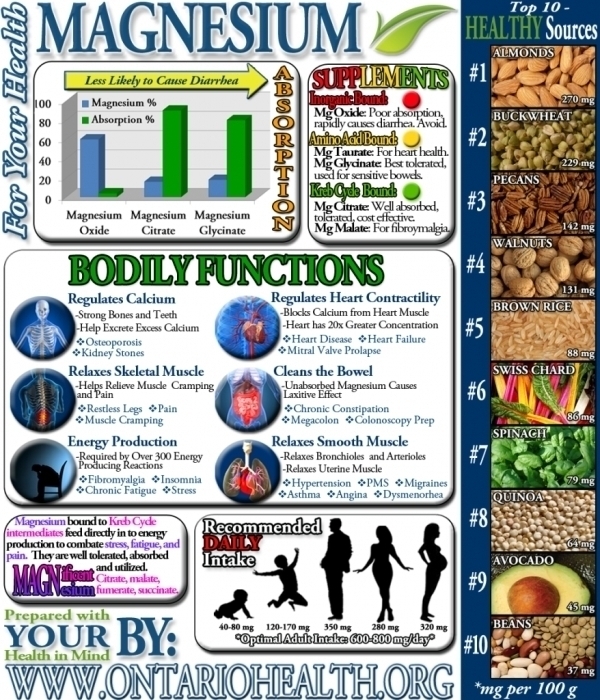
Consumption of magnesium-rich foods has been believed to provide relief to those suffering from migraine headaches.

Available in whole grains, nuts, seeds, legumes and green leafy vegetables, the mineral is said to reduce both, the intensity and the duration of attacks. It can also help ease lower back pain, muscle cramps and the muscle tenderness associated with fibromyalgia.
8 Natural Pain Relievers

Fish Oil
Eicosapentaenoic acid (EPA) and docosahexaenoic acid (DHA), the omega-3 fatty acids present in fish oil, have been known to inhibit the production of inflammatory chemicals in the body.

In other words, the oil can help bring relief from numerous pains, including those occurring from rheumatoid arthritis, Crohn’s disease, gout and sinusitis.

Bromelain
Bromelain is the term used in reference of a group of protein-digesting enzymes. It is found naturally in the stems of pineapples and serves as an anti-inflammatory agent.

Available in the form of cream, it can be topically applied to treat strains, sprains and muscle injuries. It has also been associated with relieving pain and headaches associated with sinusitis as well as pain, bruising and swelling that follow surgical procedures (episiotomy) in women in labor.

The post 8 Natural Pain Relievers appeared first on Fitness Tips for Life.

https://ift.tt/2y4vvmJ

Eggs in a box instead of a carton

I found this article at Sign on San Diego. It is a geat article on the value of these “other” egg products that we see in stores. I only eat eggs on the weekend when I am hungry for a bigger breakfast with the kids and have always wanted to know more about these eggs. I bought them once and they tasted like eggs but just never bought them again…

Remember the days when shopping for eggs was just a question of large or jumbo?

The Emergence of 100 Types of Eggs

Today’s supermarkets present dizzying choices: “free-roaming,” “omega-3,” “100 percent organic,” “cage-free,” “compatible with cholesterol-reducing diet,” “natural sunlight,” “hand-gathered,” “vegetarian diet,” “high vitamin E,” “humane harvest,” “vegetarian hens with roosters.”

eggIt’s a trend born of the egg’s new and improved nutritional rap and fueled by the zeal of low-carb dieters. And these designer eggs bear designer prices.

So what makes them different? It boils down to two things: what the hens eat and how they are housed.

The speciality eggs getting the most attention are from hens fed a diet engineered to cut down on the yolks’ fat and cholesterol and to boost certain nutrients especially omega-3 fatty acids, which studies have linked to heart, brain and eye health.

Flax, kelp, marine algae and vitamin E supplements are most often cited as the diet additives that enhance eggs’ omega-3 nutritional profile. Marigolds boost the amount of lutein, which may promote good vision, as well as giving the yolks a more intense hue.

The nation’s top-selling enhanced eggs, Eggland’s Best, boast 100 milligrams of omega-3 in each egg, almost three times the typical 35 milligrams, as well as 25 percent less saturated fat than ordinary eggs. They also claim 180 milligrams of cholesterol, as opposed to the typical egg’s 215, and 10 times the amount of vitamin E.

Eggland’s Best says a special diet of grains, canola oil, rice bran, alfalfa meal, kelp and vitamin E is behind its pumped-up eggs, which generally cost more than twice as much as regular eggs.

The cost doesn’t appear to be deterring buyers. Eggland’s Best reported a 21 percent sales increase in 2004.

egg facts1

Are the nutritional claims accurate? Last year Consumer Reports tested the amounts of the omega-3 fatty acid DHA and vitamin E in a popular specialty brand, Gold Circle Farms Cage Free eggs. The tests found the nutrients to be in line with the claims on the label.

In terms of whether the benefits justify the cost, though, the picture is a little less clear.

Some types of omega-3 fatty acids are more helpful to the body than others. Many of the high-omega-3 eggs contain only a less potent type called ALA, and some don’t contain EPA, which the American Heart Association recommends along with DHA for the best heart benefits.

Certainly, oily cold-water fish such as salmon are a better source of DHA. Consumer Reports notes you would have to eat more than a dozen of the Gold Circle eggs a week to get the amount of DHA you would get in two 3-ounce servings of farmed Atlantic salmon.

And even if you’re avoiding high-oil fish because of fears of mercury contamination, the magazine said, fish oil pills are cheaper than the designer eggs.

But Anne Van Beber, associate professor and chairman of the department of nutritional sciences at Texas Christian University, believes it’s “always better to get your nutrients in food because they’re packaged along with other nutrients that work in synergy.”

For someone who won’t eat fish, like her son, she said, eggs are an excellent way to get more omega-3s.

“I feed my son an egg almost every day,” said Van Beber. She’s “a big fan of eggs in general” for their protein, vitamin and mineral content. And, although she complains about their cost, she buys the omega-3-enhanced Eggland’s Best or Eggs Plus.

“I really do think in the long run it’s worth it to pay the extra price for the DHA, the EPA and the extra vitamin E,” she said.

Van Beber is one consumer who thinks the enhanced eggs “taste really fresh and have more flavor,” though taste tests tend not to bear her out. A blind taste test last year by the San Francisco Chronicle food staff, for example, didn’t find any significant differences in flavor among 19 brands of specialty and regular eggs.

There’s little doubt in the minds of many consumers that true “yard eggs,” from pasture-raised hens, taste richer than regular supermarket eggs, but it’s unlikely that any eggs you buy at the grocery came from hens that wandered the barnyard, pecking and scratching.

egg facts2

Cage-free” simply means the hens’ coops don’t crowd them so closely into a confined space that they can’t move around. If the eggs are “free-range,” that probably means the coops have openings that let the hens roost outside.

Fertile eggs” indicates the hens get to interact with roosters.

Is it worth it to pay extra for better poultry living conditions? There’s probably less risk of bacterial contamination in eggs from hens that aren’t crowded closely into cages, but for many it simply boils down to humane considerations.

There’s more on the horizon for designer eggs. In Canada, the Edmonton Journal reports University of Alberta researchers are developing an egg with an immunoglobulin that may reduce allergic reactions to the gluten in wheat.

The post Eggs in a box instead of a carton appeared first on .

http://ift.tt/1YitnMk

Help and Treatment For Panic Attacks

Many people deal with panic attacks that make them live a fearful, frustrating life.

These types of attacks can come on fast without much warning, but to live a beautiful healthy life a person must understand that they can find help for panic attacks by using one of these two different treatment methods.

The important thing that anyone who experiences panic attacks must remember is that a particular treatment method might work for one person while another person might need to use a different method because nobody is exactly the same.

Cognitive Behavioral Therapy

panic disorderThe first method that a person might want to try is called cognitive behavioral therapy.

This type of therapy is performed by a psychotherapist. In the sessions that are between the psychotherapist and the panic attack patient the goal is to come up with the cause of why the panic attacks happen.

The psychotherapist also digs deep into the way the person feels before and during the time of having a panic attack because this helps them build a program that will help the person be able to handle their fears and nervousness.

If a person can handle these issues they can handle panic attacks in a more successful manner.

Self Treatment

Another method that a person might want to try is called self-treatment.

This form of treatment can take some time, but a person can learn how to handle panic attacks by understanding themselves better.

A person must reach into their own minds and figure out how they felt before and during panic attacks so they can try to eliminate attacks from happening over and over again.

Another thing is that if a person builds up their self-confidence and learns how to take more control of their minds they can possibly learn to control panic attacks.

Panic attacks are very common and occur in many people’s lives, but if you suffer from these undesirable attacks you can get treatment.

When you are seeking help for panic attacks you should know that these are only two different methods that you can use to learn to control and handle your attacks.

Thankfully, there are many others because everyone is different thus you just need to find the one that works best in your own life. If you have these kinds of attacks do your research and seek professional help if you can’t find a solution that leads you to living a beautiful healthy life.

The post Help and Treatment For Panic Attacks appeared first on .

http://ift.tt/1OiJzLU