Showing posts with label Fitness Nutrition. Show all posts

Health benefits of Beer

I would like to start this post just by saying that I know that there are many horrors of alcohol abuse and not just benefits of beer and that there are many reasons why drinking alcohol may lead to an early exit.

But at the same time I just bottled my fourth batch of home made beer, Barons Beer actually, and thought that it would be fun to come up with a great big list of why beer is good for you.

Health Benefits of Beer For All Of Us

Cancer preventer – A compound found only in hops, which are used to make beer, have been discovered as benefits of beer to prevent cancer.

Of course we all know that hops are an ingredient in beer and therefore Xanthohumol has high hopes of making beer a new anti cancer drug.

Xanthohumol flavinoids have been tested and its use is hoped to be a preventative treatment against prostate and colon cancer and even may be a form of hormone therapy for women.

Getting your vitamins – A friend of mine used to say there is a pork chop in every glass of beer but recent studies show that there is vitamin B6 in beer increases the level of vitamin B6 in a beer drinkers blood which has been shown to decrease the level of homocysteine which increase the chances of heart disease.

Reducing chance of heart disease – another of the benefits of beer is that alcohol drinkers had higher levels of high-density lipoprotein (HDL) cholesterol, often called the “good” cholesterol, which is a protective form of blood fat.

The alcohol drinkers also had lower levels of fibrinogen, a protein that promotes blood clots, as well as elevated levels of other molecules (platelets) that prevent the clotting and stickiness of blood cells.

Reduction in Kidney stones – A Finnish-U.S. study of beer-drinking, middle-aged men was published in the American Journal of Epidemiology in 1999.

The report stated that an increase in beer consumption may reduce the risk of developing kidney stones. Results showed that there was a 40 percent lower risk of kidney stones in beer drinkers, but the researchers were stumped as to whether the benefits of beer results were due to water, alcohol or hops.
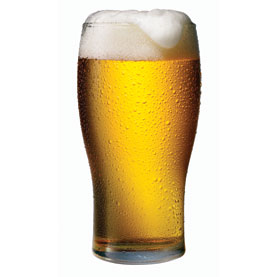
Health Benefits of BeerDefying the bad of X-Rays – Beer helps reduce chromosomal damage from radiation exposure thanks to beta-pseudouridine.

According to a study by the Japanese researchers from the National Institute of Radiological Sciences, and the Tokyo University of Science Blood samples were taken from test subjects before and after they had drunk about 630ml of beer.

Apparently, when the samples were exposed to X-rays and other types of radiation, after the subjects had drank the beer their samples showed at least 30% fewer aberrations in the blood cells.

Memory Booster – A Swedish team has shown that mice fed with moderate amounts of alcohol grew new nerve cells in the brain.

The full implications of the Karolinska Institute research – which appears in the International Journal of Neuropsychopharmacology – are unclear on the benefits of beer, but Stefan Brene told the BBC:

“We believe that the increased production of new nerve cells during moderate alcohol consumption can be important for the development of alcohol addiction and other long-term effects of alcohol on the brain.”

Slow the Aging Process – In a study published in the March issue of International Immunopharmacology, scientists at Austria’s Innsbruck Medical University found that hops, a key ingredient in beer, affect the production of neopterin, a telltale sign of inflammation, and levels of the amino acid tryptophan (low levels are associated with more inflammation.)

Keeps you Awake – Although there is no caffeine in Beer, beer was found to reduce neopterin production and suppress degradation of tryptophan, according to a study. (Tryptophan is also commonly cited as the reason people feel tired after gorging on Thanksgiving turkey.)

This suppression might be connected with the calming effect of beer,” the researchers note, “since its normalizing effect on the tryptophan balance improves the availability of the ‘happiness hormone’ serotonin.” And who wouldn’t want happiness to be more available?

OK and now a few more benefits of beer from me

Relaxation – This is a good one for almost anyone that has sat on a patio on a spring or summer afternoon. The relaxation and relief of stress is famous for those having a beer even if the conversation always seems to turn to those office politics that get everyone riled up.

Reduces inhibitions – As we all know there are times we wish that we had gotten up and said something, either to those at work or a pretty girl at a bar and for this the alcohol in beer is a very good lubricant to the mind and mouth and will help in those situations where shyness gets the better of us.

Excuse for bad behavior – although there is no link to bad behavior and beer, many people have been known to say or do bad and ridiculous things and in the case where someone had consumed to much beer before this well there is a good excuse just waiting to be used.

So the next time someone looks down their nose at you for the stories that you tell about the night before and the beer that you drank. Come back here and point out that you were just doing the healthy thing there are benefits of beer and having a couple of beers is great.

The post Health benefits of Beer appeared first on Fitness Tips for Life.

https://ift.tt/2K3iaOx

Reminder of 21 day free fitness tips

A few months ago I rolled out a series of emails that people could subscribe to for free. You may have seen the sign up form on other pages of this blog but I wanted to remind you about it now that spring seems to be poking out around the corner and so many of us are thinking about improving our fitness for the summer.

The series of emails somes every second day for 21 or so days and each day is dedicated to something differnect. Everyhting from eating, cardio, weights, water, protein, sleeping, how to get more energy, and even the attitudes that will get you in better shape.

I am pretty proud of the series of email and the creation was in part because I thought it would be nice to really cover all the bases in a short period of time. The time to act is now and I hope that you take the opportunity today to check this out as sign-up

If you would like more information on the emails and even sign up you can find more at the fitness plan signup page.

The post Reminder of 21 day free fitness tips appeared first on Fitness Tips for Life.

https://ift.tt/2QDBMe1

100 Eating Tips For A Healthier Lifestyle

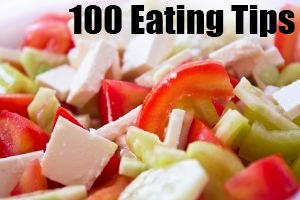
A total of about 100 eating tips for a healthier lifestyle. These are a giant list of simple and easy eating tips that can help you live healthier starting today.

Do you think you can integrate 100 eating tips into your life right now? I don’t. The best thing to do is to copy this list somewhere, or email the link to yourself and just come back and add one every week or so.

Before you know it you will have changed your life for the better!

100 Healthy Eating Tips

  1. Add just one fruit or veggie serving daily. Get comfortable with that, then add an extra serving until you reach 8 to 10 a day.
  2. Eat at least two servings of a fruit or veggie at every meal.
  3. Resolve never to supersize your food portions–unless you want to superize your clothes.
  4. Make eating purposeful, not mindless. Whenever you put food in your mouth, peel it, unwrap it, plate it, and sit. Engage all of the senses in the pleasure of nourishing your body.
  5. 100 Eating Tips For A Healthier LifestyleStart eating a big breakfast. It helps you eat fewer total calories throughout the day.
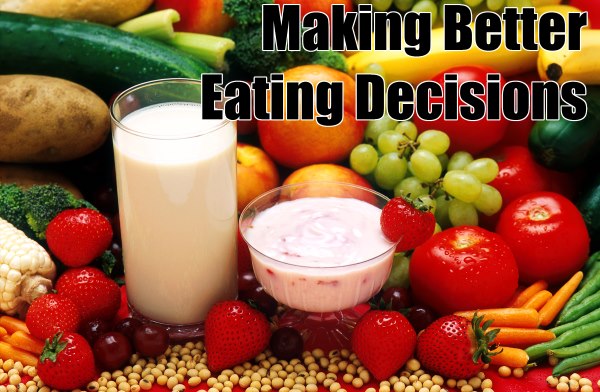
  6. Make sure your plate is half veggies and/or fruit at both lunch and dinner.
  7. Eating out? Halve it, and bag the rest. A typical restaurant entree has 1,000 to 2,000 calories, not even counting the bread, appetizer, beverage, and dessert.
  8. When dining out, make it automatic: Order one dessert to share.
  9. Use a salad plate instead of a dinner plate.
  10. See what you eat. Plate your food instead of eating out of the jar or bag.
  11. Eat the low-cal items on your plate first, then graduate. Start with salads, veggies, and broth soups, and eat meats and starches last. By the time you get to them, you’ll be full enough to be content with smaller portions of the high-calorie choices.
  12. Instead of whole milk, switch to 1 percent. If you drink one 8-oz glass a day, you’ll lose 5 lb in a year.
  13. Juice has as many calories, ounce for ounce, as soda. Set a limit of one 8-oz glass of fruit juice a day.
  14. Get calories from foods you chew, not beverages. Have fresh fruit instead of fruit juice.
  15. Keep a food journal. It really works wonders – this is a great healthy lifestyle tips
  16. Follow the Chinese saying: “Eat until you are eight-tenths full.”
  17. Use mustard instead of mayo.
  18. Eat more soup. The noncreamy ones are filling but low-cal.
  19. Cut back on or cut out caloric drinks such as soda, sweet tea, lemonade, etc. People have lost by making just this one change. If you have a 20-oz bottle of Coca-Cola every day, switch to Diet Coke. You should lose 25 lb in a year.
  20. Take your lunch to work.
  21. Sit when you eat.
  22. Dilute juice with water.
  23. Have mostly veggies for lunch.
  24. Eat at home.
  25. Limit alcohol to weekends.

This is a great set of Healthy lifestyle Tips but of course there are a lot more. When you are looking to implement some Healthy lifestyle tips try to just add one per week so you don’t get overwhelmed.

How To Stop Binge Eating at Night

  1. 100 Eating Tips For A Healthier Lifestyle

    Eat breakfast, lunch, and dinner. The large majority of people who struggle with night eating are those who skip meals or don’t eat balanced meals during the day. This is a major setup for overeating at night.

  2. Eat your evening meal in the kitchen or dining room, sitting down at the table.
  3. Drink cold unsweetened raspberry tea. It tastes great and keeps your mouth busy.
  4. Change your nighttime schedule. It will take effort, but it will pay off. You need something that will occupy your mind and hands.
  5. If you’re eating at night due to emotions, you need to focus on getting in touch with what’s going on and taking care of yourself in a way that really works. Find a nonfood method of coping with your stress.
  6. Put a sign on the kitchen and refrigerator doors: “Closed after Dinner.”
  7. Brush your teeth right after dinner to remind you: No more food.
  8. Eat without engaging in any other simultaneous activity. No reading, watching TV, or sitting at the computer.
  9. Eating late at night won’t itself cause weight gain. It’s how many calories–not when you eat them–that counts.

How To Change Your Eating for Improved Health Benefits

100 Eating Tips For A Healthier Lifestyle

  1. Fat-free isn’t always your best bet. Research has found that none of the lycopene or alpha- or beta-carotene that fight cancer and heart disease is absorbed from salads with fat-free dressing. Only slightly more is absorbed with reduced-fat dressing; the most is absorbed with full-fat dressing. But remember, use your dressing in moderate amounts.
  2. Skipping breakfast will leave you tired and craving naughty foods by midmorning. To fill up healthfully and tastefully, try this sweet, fruity breakfast full of antioxidants. In a blender, process 1 c nonfat plain or vanilla yogurt, 1 1/3 c frozen strawberries (no added sugar), 1 peeled kiwi, and 1 peeled banana. Pulse until mixture is milkshake consistency. Makes one 2-cup serving; 348 calories and 1.5 fat grams.
  3. If you’re famished by 4 p.m. and have no alternative but an office vending machine, reach for the nuts–. The same goes if your only choices are what’s available in the hotel minibar.
  4. Next time you’re feeling wiped out in late afternoon, forgo that cup of coffee and reach for a cup of yogurt instead. The combination of protein, carbohydrate, and fat in an 8-ounce serving of low-fat yogurt will give you a sense of fullness and well-being that coffee can’t match, as well as some vital nutrients. If you haven’t eaten in 3 to 4 hours, your blood glucose levels are probably dropping, so eating a small amount of nutrient-rich food will give your brain and your body a boost.
  5. Making just a few changes to your pantry shelves can get you a lot closer to your loss goals. Here’s what to do: If you use corn and peanut oil, replace it with olive oil. Same goes for breads–go for whole wheat. Trade in those fatty cold cuts like salami and bologna and replace them canned tuna, sliced turkey breast, and lean roast beef. Change from drinking whole milk to fat-free milk or low-fat soy milk. This is hard for a lot of people so try transitioning down to 2 percent and then 1 percent before you go fat-free.
  6. Nothing’s less appetizing than a crisper drawer full of mushy vegetables. Frozen vegetables store much better, plus they may have greater nutritional value than fresh. Food suppliers typically freeze veggies just a few hours after harvest, locking in the nutrients. Fresh veggies, on the other hand, often spend days in the back of a truck before they reach your supermarket.
  7. Worried about the trans-fat content in your peanut butter? Good news: In a test done on Skippy, JIF, Peter Pan, and a supermarket brand, the levels of trans fats per 2-tablespoon serving were far lower than 0.5 gram–low enough that under proposed laws, the brands can legally claim zero trans fats on the label. They also contained only 1 gram more sugar than natural brands–not a significant difference.

What Exercising Tips Will Help Me Lose Weight

  1. 100 Eating Tips For A Healthier LifestyleOvereating is not the result of exercise. Vigorous exercise won’t stimulate you to overeat. It’s just the opposite. Exercise at any level helps curb your appetite immediately following the workout.
  2. When you’re exercising, you shouldn’t wait for thirst to strike before you take a drink. By the time you feel thirsty, you’re already dehydrated. Try this: Drink at least 16 ounces of water, sports drinks, or juices two hours before you exercise. Then drink 8 ounces an hour before and another 4 to 8 ounces every 15 to 20 minutes during your workout. Finish with at least 16 ounces after you’re done exercising.
  3. Tune in to an audio book while you walk. It’ll keep you going longer and looking forward to the next walk–and the next chapter! Check your local library for a great selection. Look for a whodunit; you might walk so far you’ll need to take a cab home!
  4. Think yoga’s too serene to burn calories? Think again. You can burn 250 to 350 calories during an hour-long class (that’s as much as you’d burn from an hour of walking)! Plus, you’ll improve muscle strength, flexibility, and endurance.
  5. Drinking too few can hamper your loss efforts. That’s because dehydration can slow your metabolism by 3 percent, or about 45 fewer calories burned a day, which in a year could mean weighing 5 pounds more. The key to water isn’t how much you drink, it’s how frequently you drink it. Small amounts sipped often work better than 8 ounces gulped down at once.

How Can I Manage My Emotional Eating?

100 Eating Tips For A Healthier Lifestyle

  1. A registered dietitian (RD) can help you find healthy ways to manage your with food. To find one in your area who consults with private clients call (800) 366-1655.
  2. The best place to drop pounds may be your own house of worship. Researchers set up healthy eating and exercise programs in 16 Baltimore churches. More than 500 women participated and after a year the most successful lost an average of 20 lb. Weight loss programs based on faith are so successful because there’s a built-in community component that people can feel comfortable with.
  3. Here’s another reason to keep level-headed all the time: Pennsylvania State University research has found that women less able to cope with stress–shown by blood pressure and heart rate elevations–ate twice as many fatty snacks as stress-resistant women did, even after the stress stopped (in this case, 25 minutes of periodic jackhammer-level noise and an unsolvable maze).
  4. When researchers at Brown University School of Medicine put 92 people on online loss programs for a year, those who received weekly e-mail counseling shed 5 1/2 more pounds than those who got none. Counselors provided weekly feedback on diet and exercise logs, answered questions, and cheered them on. Most major online diet programs offer many of these features.
  5. Sitting at a computer may help you slim down. When researchers at Brown University School of Medicine put 92 people on online loss programs for a year, those who received weekly e-mail counseling shed 5 1/2 more pounds than those who got none. Counselors provided weekly feedback on diet and exercise logs, answered questions, and cheered them on. Most major online diet programs offer many of these features.

What’s Your Best Advice for Avoiding those Extra Holiday Pounds?

  1. Don’t tell yourself, “It’s okay, it’s the holidays.” That opens the door to 6 weeks of splurging.
  2. Remember, EAT before you meet. Have this small meal before you go to any parties: a hardboiled Egg, Apple, and a Thirst quencher (water, seltzer, diet soda, tea).
  3. As obvious as it sounds, don’t stand near the food at parties. Make the effort, and you’ll find you eat less.
  4. At a buffet? Eating a little of everything guarantees high calories. Decide on three or four things, only one of which is high in calories. Save that for last so there’s less chance of overeating.
  5. For the duration of the holidays, wear your snuggest clothes that don’t allow much room for expansion. Wearing sweats is out until January.
  6. Give it away! After company leaves, give away leftover food to neighbors, doormen, or delivery people, or take it to work the next day.
  7. Walk around the mall three times before you start shopping.
  8. Make exercise a nonnegotiable priority.
  9. Dance to music with your family in your home. One dietitian reported that when she asks her patients to do this, initially they just smile, but once they’ve done it, they say it is one of the easiest ways to involve the whole family in exercise.

How Can I Control a Raging Sweet Tooth?

  1. 100 Eating Tips For A Healthier LifestyleOnce in a while, have a lean, mean salad for lunch or dinner, and save the meal’s calories for a full dessert.

  2. Are you the kind of person who does better if you make up your mind to do without sweets and just not have them around? Or are you going to do better if you have a limited amount of sweets every day? One RD reported that most of her clients pick the latter and find they can avoid bingeing after a few days.
  3. If your family thinks they need a very sweet treat every night, try to strike a balance between offering healthy choices but allowing them some “free will.” Compromise with low-fat ice cream and fruit, or sometimes just fruit with a dollop of whipped cream.
  4. Try 2 weeks without sweets. It’s amazing how your cravings vanish.
  5. Eat more fruit. A person who gets enough fruit in his diet doesn’t have a raging sweet tooth.
  6. Eat your sweets, just eat them smart! Carve out about 150 calories per day for your favorite sweet. That amounts to about an ounce of chocolate, half a modest slice of cake, or 1/2 cup of regular ice cream.
  7. Try these smart little sweets: sugar-free hot cocoa, frozen red grapes, fudgsicles, sugar-free gum, Nutri-Grain chocolate fudge twists, Tootsie Rolls, and hard candy.

What Can I Eat for a Healthy Dinner if I Don’t Want to Cook?

  1. A healthy frozen entree with a salad and a glass of 1 percent milk.
  2. Scramble eggs in a nonstick skillet. Pop some asparagus in the microwave, and add whole wheat toast. If your cholesterol levels are normal, you can have seven eggs a week!
  3. A bag of frozen vegetables heated in the microwave, topped with 2 tablespoons of Parmesan cheese and 2 tablespoons of chopped nuts.
  4. Prebagged salad topped with canned tuna, grape tomatoes, shredded reduced-fat cheese, and low-cal Italian dressing.
  5. Keep lean sandwich fixings on hand: whole wheat bread, sliced turkey, reduced-fat cheese, tomatoes, mustard with horseradish.
  6. Heat up a can of good soup.
  7. Cereal, fruit, and fat-free milk makes a good meal anytime.
  8. Try a veggie sandwich from Subway.
  9. Precut fruit for a salad and add yogurt.

25 Eating Tips To Change Your Diet Forever

  1. 100 Eating Tips For A Healthier LifestyleHave a V8 or tomato juice instead of a Diet Coke at 3 pm.
  2. Doctor your veggies to make them delicious: Dribble maple syrup over carrots, and sprinkle chopped nuts on green beans.
  3. Mix three different cans of beans and some diet Italian dressing. Eat this three-bean salad all week.
  4. Don’t forget that vegetable soup counts as a vegetable.
  5. Rediscover the sweet potato.
  6. Use prebagged baby spinach everywhere: as “lettuce” in sandwiches, heated in soups, wilted in hot pasta, and added to salads.
  7. Spend the extra few dollars to buy vegetables that are already washed and cut up.
  8. Really hate veggies? Relax. If you love fruits, eat plenty of them; they are just as healthy (especially colorful ones such as oranges, mangoes, and melons).
  9. Keep seven bags of your favorite frozen vegetables on hand. Mix any combination, microwave, and top with your favorite low-fat dressing. Enjoy 3 to 4 cups a day. Makes a great quick dinner.
  10. The best portion of high-calorie foods is the smallest one. The best portion of vegetables is the largest one. Period.
  11. I’ll ride the wave. My cravings will disappear after 10 minutes if I turn my attention elsewhere.
  12. I want to be around to see my grandchildren, so I can forgo a cookie now.
  13. I am a work in progress.
  14. It’s more stressful to continue being fat than to stop overeating.
  15. Skipping meals. Many healthy eaters “diet by day and binge by night.”
  16. Don’t “graze” yourself fat. You can easily munch 600 calories of pretzels or cereal without realizing it.
  17. Eating pasta like crazy. A serving of pasta is 1 cup, but some people routinely eat 4 cups.
  18. Eating supersize bagels of 400 to 500 calories for snacks -this is a terrible idea with little nutritional benefit and lots of calories
  19. Ignoring “Serving Size” on the Nutrition Facts panel.
  20. Snacking on bowls of nuts. Nuts are healthy but dense with calories. Put those bowls away, and use nuts as a garnish instead of a snack.
  21. Thinking all energy bars and fruit smoothies are low-cal.
  22. A smoothie made with fat-free milk, frozen fruit, and wheat germ.
  23. The smallest fast-food burger (with mustard and ketchup, not mayo) and a no-cal beverage. Then at home, have an apple or baby carrots.
  24. A peanut butter sandwich on whole wheat bread with a glass of 1 percent milk and an apple.
  25. Precooked chicken strips and microwaved frozen broccoli topped with Parmesan cheese.

The post 100 Eating Tips For A Healthier Lifestyle appeared first on Fitness Tips for Life.

https://ift.tt/2KvrzjX

The Power of Vanadium For Muscle Recovery

I just found a great research article on Vanadium. Vanadium is a trace mineral that we all get a little of in our diet.

I used to take Vanadium back in the early 90’s as it was supposed to promote better cell maintenance for training. I have not used it since but have found some more information on Vanadium today.

Vanadium Plays Role In Speeding Recovery From Infections

The Power of Vanadium For Muscle RecoverySeveral animal studies and a few very small human studies suggest that vanadium may reduce blood sugar levels and improve sensitivity to insulin in people with type 2 diabetes.

Vanadium Supplement On Amazon

In one study of people with type 2 diabetes, vanadium also lowered their total and LDL (“bad”) cholesterol.

However, the dosages used in these studies were far above the tolerable upper intake level (UL), and scientists don’t know whether taking vanadium at those levels is safe — or whether it actually works. Other studies suggest that vanadium has no benefit on blood sugar levels.

Vanadium as Body Building Performance Enhancement

Vanadium is sometimes touted as a sports supplement, but there is no evidence that it works to enhance performance. In fact, one clinical trial examining vanadium use in athletes found no benefit whatsoever.

What the article says is that with some infections such as e. coli and some others that taking Vanadium can reduce the time to recovery.

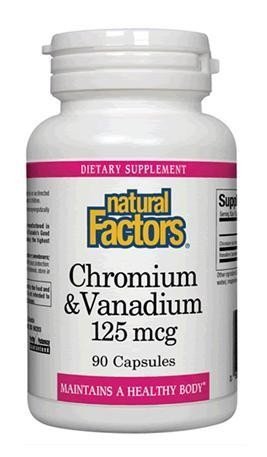
Besides taking Vanadium with ChromiumThe Power of Vanadium For Muscle Recovery as a supplement you can also find it in black pepper, mushrooms, shellfish, parsley and dill seed.

Because of the varying amounts in foods due to concentrations present in soil, a food graph is omitted. The richest sources of vanadium are achieved through various oils, including specialized fats, vegetable and olive oils, soy, sunflower, and corn; all have been shown to provide a fair amount of this mineral.

Grains and vegetables also contain moderate amounts of vanadium. Sea foods, with the exception of herring and oysters, contain minute amounts and should not be used as a major food source contributor, for achieving proper daily intakes of Vanadium.

Risks of Vanadium Supplementation

Some researchers have speculated that a vanadium deficiency may contribute to elevated cholesterol levels and faulty blood sugar control manifesting as either diabetes or hypoglycemia. Making things more difficult is the fact that vanadium exists in five different forms, with the most biologically significant being either vanadyl or vanadate.

Vanadium has been suggested to be a factor in manic depression, as increased levels of vanadium are found in hair samples from manic patients, and these values fall towards normal levels with recovery. Vanadium, as the vanadate ion, is a strong inhibitor of the sodium-potassium pump.

You should keep Vanadium supplements down below 500 – 1,000 mcg daily.

The post The Power of Vanadium For Muscle Recovery appeared first on Fitness Tips for Life.

http://ift.tt/2v2TDiY

The Power of Vanadium For Muscle Recovery

I just found a great research article on Vanadium. Vanadium is a trace mineral that we all get a little of in our diet.

I used to take Vanadium back in the early 90’s as it was supposed to promote better cell maintenance for training. I have not used it since but have found some more information on Vanadium today.

Vanadium Plays Role In Speeding Recovery From Infections

The Power of Vanadium For Muscle RecoverySeveral animal studies and a few very small human studies suggest that vanadium may reduce blood sugar levels and improve sensitivity to insulin in people with type 2 diabetes.

Vanadium Supplement On Amazon

In one study of people with type 2 diabetes, vanadium also lowered their total and LDL (“bad”) cholesterol.

However, the dosages used in these studies were far above the tolerable upper intake level (UL), and scientists don’t know whether taking vanadium at those levels is safe — or whether it actually works. Other studies suggest that vanadium has no benefit on blood sugar levels.

Vanadium as Body Building Performance Enhancement

Vanadium is sometimes touted as a sports supplement, but there is no evidence that it works to enhance performance. In fact, one clinical trial examining vanadium use in athletes found no benefit whatsoever.

What the article says is that with some infections such as e. coli and some others that taking Vanadium can reduce the time to recovery.

Besides taking Vanadium with ChromiumThe Power of Vanadium For Muscle Recovery as a supplement you can also find it in black pepper, mushrooms, shellfish, parsley and dill seed.

Because of the varying amounts in foods due to concentrations present in soil, a food graph is omitted. The richest sources of vanadium are achieved through various oils, including specialized fats, vegetable and olive oils, soy, sunflower, and corn; all have been shown to provide a fair amount of this mineral.

Grains and vegetables also contain moderate amounts of vanadium. Sea foods, with the exception of herring and oysters, contain minute amounts and should not be used as a major food source contributor, for achieving proper daily intakes of Vanadium.

Risks of Vanadium Supplementation

Some researchers have speculated that a vanadium deficiency may contribute to elevated cholesterol levels and faulty blood sugar control manifesting as either diabetes or hypoglycemia. Making things more difficult is the fact that vanadium exists in five different forms, with the most biologically significant being either vanadyl or vanadate.

Vanadium has been suggested to be a factor in manic depression, as increased levels of vanadium are found in hair samples from manic patients, and these values fall towards normal levels with recovery. Vanadium, as the vanadate ion, is a strong inhibitor of the sodium-potassium pump.

You should keep Vanadium supplements down below 500 – 1,000 mcg daily.

The post The Power of Vanadium For Muscle Recovery appeared first on Fitness Tips for Life.

http://ift.tt/2tgezmB

Antioxidants for Athletes

We all know that Antioxidants are a great way to help cleanse our body and reduce inflammation. But, what is the reason that an athlete may need more antioxidants than anyone else and how do antioxidants help athletes?

Why do athletes use Antioxidants?

Some athletes say that antioxidants help protect the body from free radicals.

What do the advocates say?

Antioxidants such as vitamin C, vitamin E, CoQ10, glutathione, and alpha lipoic acid are important supplements for everyone, but especially for those who exercise on a regular basis. The rational is that exercise is a highly oxidative process and, as a consequence, produces free radicals from aerobic metabolism. Antioxidant compounds help alleviate this process.

There is conflicting evidence whether the best time to supplement with an antioxidant is before or after a workout.

How much Antioxidants are usually taken by athletes?

athlete taking antioxidantsMost research has demonstrated that strenuous exercise increases production of harmful substances called free radicals, which can damage muscle tissue and result in inflammation and muscle soreness.

Exercising in cities or smoggy areas also increases exposure to free radicals. Antioxidants, including vitamin C and vitamin E, neutralize free radicals before they can damage the body, so antioxidants may aid in exercise recovery.

Regular exercise increases the efficiency of the antioxidant defence system, potentially reducing the amount of supplemental antioxidants that might otherwise be needed for protection.

However, at least theoretically, supplements of antioxidant vitamins may be beneficial for older or untrained people or athletes who are undertaking an especially vigorous training protocol or athletic event.

What Does Research Say About Antioxidants?

Placebo-controlled research, some of it double-blind, has shown that taking 400 to 3,000 mg of vitamin C per day for several days before and after intense exercise may reduce pain and speed up muscle strength recovery. However, taking vitamin C only after such exercise was not effective in another double-blind study.

While some research has reported that vitamin E supplementation in the amount of 800 to 1,200 IU per day reduces biochemical measures of free-radical activity and muscle damage caused by strenuous exercise, several studies have not found such benefits, and no research has investigated the effect of vitamin E on performance-related measures of strenuous exercise recovery.

A combination of 90 mg per day of coenzyme Q10 and a very small amount of vitamin E did not produce any protective effects for marathon runners in one double-blind trial, while in another double-blind trial a combination of 50 mg per day of zinc and 3 mg per day of copper significantly reduced evidence of post-exercise free radical activity.

In most well-controlled studies, exercise performance has not been shown to improve following supplementation with vitamin C, unless a deficiency exists, as might occur in athletes with unhealthy or irrational eating patterns. Similarly, vitamin E has not benefited exercise performance,18 19 except possibly at high altitudes.

The post Antioxidants for Athletes appeared first on Fitness Tips for Life.

http://ift.tt/2trPB6B

Health benefits of Beer

I would like to start this post just by saying that I know that there are many horrors of alcohol abuse and not just benefits of beer and that there are many reasons why drinking alcohol may lead to an early exit.

But at the same time I just bottled my fourth batch of home made beer, Barons Beer actually, and thought that it would be fun to come up with a great big list of why beer is good for you.

Benefits of beer for all of us

Cancer preventer – A compound found only in hops, which are used to make beer, have been discovered as benefits of beer to prevent cancer.

Of course we all know that hops are an ingredient in beer and therefore Xanthohumol has high hopes of making beer a new anti cancer drug.

Xanthohumol flavinoids have been tested and its use is hoped to be a preventative treatment against prostate and colon cancer and even may be a form of hormone therapy for women.

Getting your vitamins – A friend of mine used to say there is a pork chop in every glass of beer but recent studies show that there is vitamin B6 in beer increases the level of vitamin B6 in a beer drinkers blood which has been shown to decrease the level of homocysteine which increase the chances of heart disease.

Reducing chance of heart disease – another of the benefits of beer is that alcohol drinkers had higher levels of high-density lipoprotein (HDL) cholesterol, often called the “good” cholesterol, which is a protective form of blood fat.

The alcohol drinkers also had lower levels of fibrinogen, a protein that promotes blood clots, as well as elevated levels of other molecules (platelets) that prevent the clotting and stickiness of blood cells.

Reduction in Kidney stones – A Finnish-U.S. study of beer-drinking, middle-aged men was published in the American Journal of Epidemiology in 1999.

The report stated that an increase in beer consumption may reduce the risk of developing kidney stones. Results showed that there was a 40 percent lower risk of kidney stones in beer drinkers, but the researchers were stumped as to whether the benefits of beer results were due to water, alcohol or hops.

Health Benefits of BeerDefying the bad of X-Rays – Beer helps reduce chromosomal damage from radiation exposure thanks to beta-pseudouridine.

According to a study by the Japanese researchers from the National Institute of Radiological Sciences, and the Tokyo University of Science Blood samples were taken from test subjects before and after they had drunk about 630ml of beer.

Apparently, when the samples were exposed to X-rays and other types of radiation, after the subjects had drank the beer their samples showed at least 30% fewer aberrations in the blood cells.

Memory Booster – A Swedish team has shown that mice fed with moderate amounts of alcohol grew new nerve cells in the brain.

The full implications of the Karolinska Institute research – which appears in the International Journal of Neuropsychopharmacology – are unclear on the benefits of beer, but Stefan Brene told the BBC:

“We believe that the increased production of new nerve cells during moderate alcohol consumption can be important for the development of alcohol addiction and other long-term effects of alcohol on the brain.”

Slow the Aging Process – In a study published in the March issue of International Immunopharmacology, scientists at Austria’s Innsbruck Medical University found that hops, a key ingredient in beer, affect the production of neopterin, a telltale sign of inflammation, and levels of the amino acid tryptophan (low levels are associated with more inflammation.)

Keeps you Awake – Although there is no caffeine in Beer, beer was found to reduce neopterin production and suppress degradation of tryptophan, according to a study. (Tryptophan is also commonly cited as the reason people feel tired after gorging on Thanksgiving turkey.)

This suppression might be connected with the calming effect of beer,” the researchers note, “since its normalizing effect on the tryptophan balance improves the availability of the ‘happiness hormone’ serotonin.” And who wouldn’t want happiness to be more available?

OK and now a few more benefits of beer from me

Relaxation – This is a good one for almost anyone that has sat on a patio on a spring or summer afternoon. The relaxation and relief of stress is famous for those having a beer even if the conversation always seems to turn to those office politics that get everyone riled up.

Reduces inhibitions – As we all know there are times we wish that we had gotten up and said something, either to those at work or a pretty girl at a bar and for this the alcohol in beer is a very good lubricant to the mind and mouth and will help in those situations where shyness gets the better of us.

Excuse for bad behavior – although there is no link to bad behavior and beer, many people have been known to say or do bad and ridiculous things and in the case where someone had consumed to much beer before this well there is a good excuse just waiting to be used.

So the next time someone looks down their nose at you for the stories that you tell about the night before and the beer that you drank. Come back here and point out that you were just doing the healthy thing there are benefits of beer and having a couple of beers is great.

The post Health benefits of Beer appeared first on Fitness Tips for Life.

http://ift.tt/1iUNVlx

Eggs in a box instead of a carton

I found this article at Sign on San Diego. It is a geat article on the value of these “other” egg products that we see in stores. I only eat eggs on the weekend when I am hungry for a bigger breakfast with the kids and have always wanted to know more about these eggs. I bought them once and they tasted like eggs but just never bought them again…

Remember the days when shopping for eggs was just a question of large or jumbo?

The Emergence of 100 Types of Eggs

Today’s supermarkets present dizzying choices: “free-roaming,” “omega-3,” “100 percent organic,” “cage-free,” “compatible with cholesterol-reducing diet,” “natural sunlight,” “hand-gathered,” “vegetarian diet,” “high vitamin E,” “humane harvest,” “vegetarian hens with roosters.”

eggIt’s a trend born of the egg’s new and improved nutritional rap and fueled by the zeal of low-carb dieters. And these designer eggs bear designer prices.

So what makes them different? It boils down to two things: what the hens eat and how they are housed.

The speciality eggs getting the most attention are from hens fed a diet engineered to cut down on the yolks’ fat and cholesterol and to boost certain nutrients especially omega-3 fatty acids, which studies have linked to heart, brain and eye health.

Flax, kelp, marine algae and vitamin E supplements are most often cited as the diet additives that enhance eggs’ omega-3 nutritional profile. Marigolds boost the amount of lutein, which may promote good vision, as well as giving the yolks a more intense hue.

The nation’s top-selling enhanced eggs, Eggland’s Best, boast 100 milligrams of omega-3 in each egg, almost three times the typical 35 milligrams, as well as 25 percent less saturated fat than ordinary eggs. They also claim 180 milligrams of cholesterol, as opposed to the typical egg’s 215, and 10 times the amount of vitamin E.

Eggland’s Best says a special diet of grains, canola oil, rice bran, alfalfa meal, kelp and vitamin E is behind its pumped-up eggs, which generally cost more than twice as much as regular eggs.

The cost doesn’t appear to be deterring buyers. Eggland’s Best reported a 21 percent sales increase in 2004.

egg facts1

Are the nutritional claims accurate? Last year Consumer Reports tested the amounts of the omega-3 fatty acid DHA and vitamin E in a popular specialty brand, Gold Circle Farms Cage Free eggs. The tests found the nutrients to be in line with the claims on the label.

In terms of whether the benefits justify the cost, though, the picture is a little less clear.

Some types of omega-3 fatty acids are more helpful to the body than others. Many of the high-omega-3 eggs contain only a less potent type called ALA, and some don’t contain EPA, which the American Heart Association recommends along with DHA for the best heart benefits.

Certainly, oily cold-water fish such as salmon are a better source of DHA. Consumer Reports notes you would have to eat more than a dozen of the Gold Circle eggs a week to get the amount of DHA you would get in two 3-ounce servings of farmed Atlantic salmon.

And even if you’re avoiding high-oil fish because of fears of mercury contamination, the magazine said, fish oil pills are cheaper than the designer eggs.

But Anne Van Beber, associate professor and chairman of the department of nutritional sciences at Texas Christian University, believes it’s “always better to get your nutrients in food because they’re packaged along with other nutrients that work in synergy.”

For someone who won’t eat fish, like her son, she said, eggs are an excellent way to get more omega-3s.

“I feed my son an egg almost every day,” said Van Beber. She’s “a big fan of eggs in general” for their protein, vitamin and mineral content. And, although she complains about their cost, she buys the omega-3-enhanced Eggland’s Best or Eggs Plus.

“I really do think in the long run it’s worth it to pay the extra price for the DHA, the EPA and the extra vitamin E,” she said.

Van Beber is one consumer who thinks the enhanced eggs “taste really fresh and have more flavor,” though taste tests tend not to bear her out. A blind taste test last year by the San Francisco Chronicle food staff, for example, didn’t find any significant differences in flavor among 19 brands of specialty and regular eggs.

There’s little doubt in the minds of many consumers that true “yard eggs,” from pasture-raised hens, taste richer than regular supermarket eggs, but it’s unlikely that any eggs you buy at the grocery came from hens that wandered the barnyard, pecking and scratching.

egg facts2

Cage-free” simply means the hens’ coops don’t crowd them so closely into a confined space that they can’t move around. If the eggs are “free-range,” that probably means the coops have openings that let the hens roost outside.

Fertile eggs” indicates the hens get to interact with roosters.

Is it worth it to pay extra for better poultry living conditions? There’s probably less risk of bacterial contamination in eggs from hens that aren’t crowded closely into cages, but for many it simply boils down to humane considerations.

There’s more on the horizon for designer eggs. In Canada, the Edmonton Journal reports University of Alberta researchers are developing an egg with an immunoglobulin that may reduce allergic reactions to the gluten in wheat.

The post Eggs in a box instead of a carton appeared first on .

http://ift.tt/1YitnMk

Fats in your diet – What To Eat What to Avoid

Fats are always looked at as a negative in a diet…well in almost all diets anyway, as Atkins tends to think that they are OK.

The reason that most people try to avoid fats is that they tend to be less of a priority for your body to metabolize; the body would rather metabolize the carbohydrates and then Fat or Protein.

Another issue with fat is the number of calories per gram, a gram of fat has 9 calories as opposed to Protein and carbohydrates which have 4 calories per gram. So your body is going to more than likely store any extra fat taken in as, well, fat.

What Kind of Fats in Your Diet to Watch For

So you should watch out for the Fats in your diet in most cases. Still it is important to take in some fats, you body can not exist without any fats and in fact stores vitamins A, D, E and K in fat.

These vitamins are needed to maintain good health. One thing to be aware of is that these vitamins because they are stored in fat can build up and be toxic¦how toxic?

Well I have not heard of anyone getting sick from them but without them you would surely get sick.

Research has shown, because that people who consume a high-sugar diet tend to consume lower amounts of fat and vice versa.

If you think about this it means that your mind will look at a sugary or a fatty food in the same way and will crave both in the same way.

Different Types of Fats in Your Diet

Fats in your diet

Fats in your diet

Most people’s questions about fats in your diet are what kind they can eat to be eating healthy.

There are three types of fat that comes from food. Saturated Fats, Polyunsaturated Fats, and Monounsaturated Fats.

All three are found in foods that come from animals or plants, but the amount varies. As a rule, more saturated fat is found in animal than vegetable foods, where more polyunsaturated and monounsaturated fats are found in vegetables than animal foods. Cholesterol is also found in foods from animals.

Saturated fat is mainly found in foods of animal origin, but some vegetables also have large amounts. These are called saturated vegetable fats and are often found in processed bakery goods and nondairy milk or cream substitutes.

These are: Beef, Brazil Nuts, Butter, Cheese, Chocolate, Coconut, Coconut Oil, and Lard

As a rule of thumb when shopping, saturated fats are solid at room temperature. When you have a lot of saturated fat in your diet, your liver responds by making more cholesterol. This raises your blood cholesterol level. It is the most harmful type of fat you can eat.

Polyunsaturated fats come mainly from plants. They are liquid at room temperature. Eating polyunsaturated fat can reduce blood cholesterol levels.

Examples are Almonds, Corn Oil, Cottonseed Oil, Filberts, Fish, Margarine, Mayonnaise, and Pecans

Monounsaturated fats are mainly found in foods that come from plants. They are liquid at room temperature and can reduce blood cholesterol levels, but less than polyunsaturated fats do. They can, however, raise HDL cholesterol (the ‘good’ kind of cholesterol) levels.

Examples are Avocado, Canola Oil, Cashews, Olives, Olive Oil, Peanuts, and Peanut Butter.

Trans fats are what make vegetable margarines have a butter-like texture, and prolong the shelf life of packaged foods. The effects of trans fats are still not known, but it is believed that they, like saturated fats, cause blood cholesterol levels to increase.

dietary fats infographic

As we have learned over the last couple years trans fats can not be metabolized by our body so they are poisonous and very unhealthy

You can see that these Fats in your diet are important but some should be eaten with caution

The post Fats in your diet – What To Eat What to Avoid appeared first on Fitness Tips for Life.